
 zappi
zappi eddi
eddi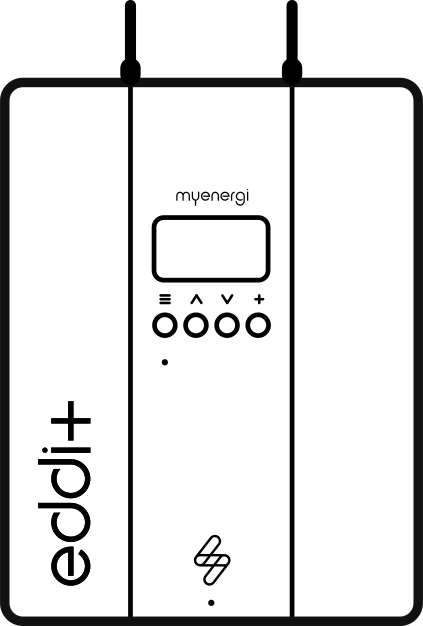 eddi+
eddi+ libbi
libbi harvi
harvi Extras
 EV Charging
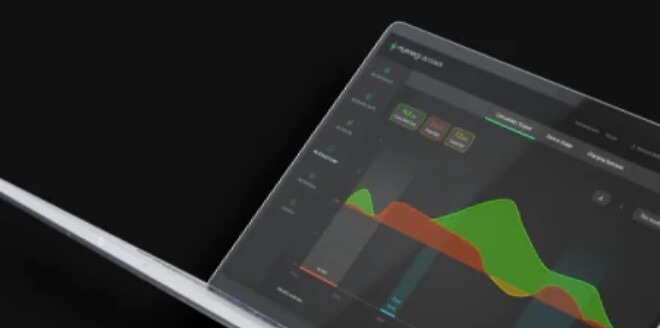 Manage Your Energy
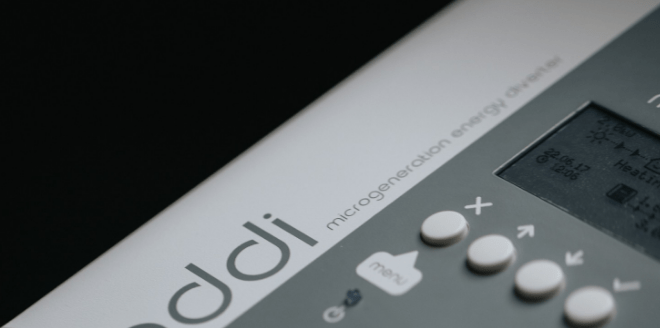 Maximize Your Energy
 Track Your Energy Usage
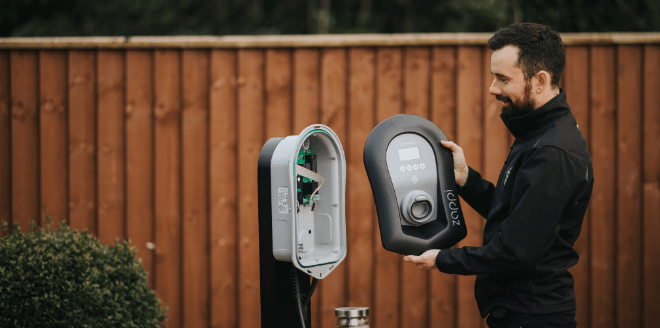 Find an installer
 Commercial Charging Station
 Connect Zappi to a management platform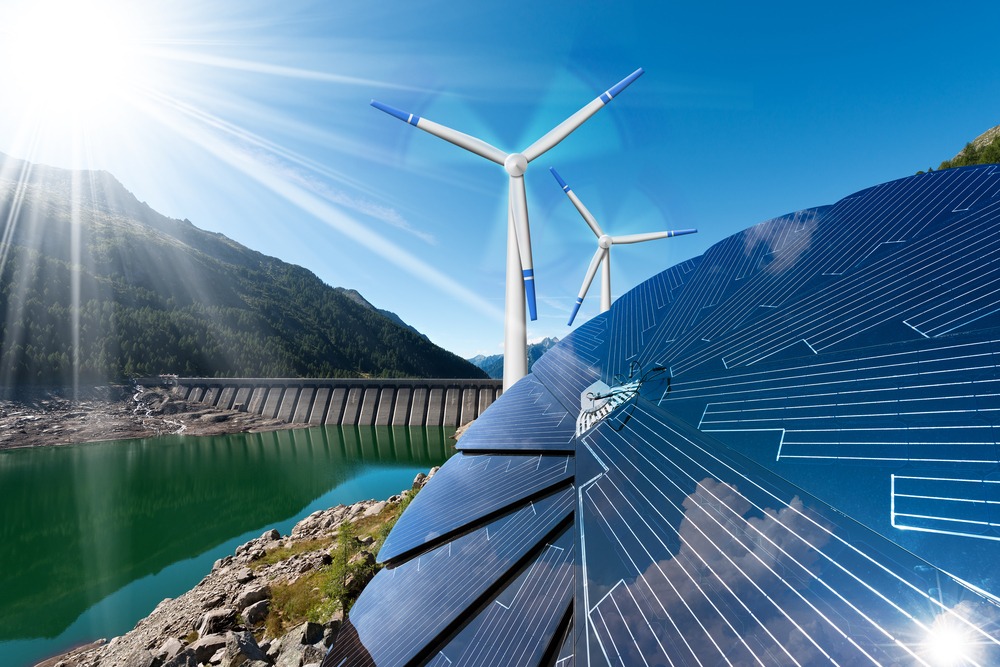
Read more
Hydroelectricity is electricity generated by water power. It is one of the largest renewable energy sources in the world. It accounts for as much as 71 percent of the world’s renewable energy. It’s time to take a closer look at exactly what hydroelectricity entails.
What is hydroelectric power?
The term “hydro” comes from Greek and means “water.” Hydroelectricity, therefore, simply means electricity generated from water. The power of water has been used to generate energy for many years, but it has only in recent years become a truly major source of renewable energy. The largest hydroelectric power plants are currently located in China, Brazil, Russia, Canada, and the United States.
How does it work?
Hydroelectricity is energy derived from the power of flowing water. The flowing water turns a turbine connected to an electric generator. Because the flow of water is predictable, hydropower is one of the most reliable sources of renewable energy.
Generators can vary greatly in size and, consequently, in the amount of energy they generate. Hydroelectric power typically relies on three key components: a power plant where electricity is generated, a river or dam that can be opened and closed to control the flow of water, and a reservoir where the water can be stored.
How sustainable is hydropower?
According to a report by Hydropower.org, 4 trillion metric tons of greenhouse gas emissions were prevented in 2017 because many countries replaced their coal-fired power plants with hydroelectric power plants. Although hydroelectricity comes from a clean energy source, some critics argue that this source is not sustainable. The large-scale power plants that need to be built are costly and can disrupt the lives of surrounding communities and ecosystems.
What types of hydroelectric power are there?
There are four types of hydroelectric power:
- Run-of-river power plant: A dam allows water to flow out of a large reservoir. The water then flows through a turbine, which converts the water's energy into electricity for the generator.
- Run-of-river power plant: This system uses the force of flowing water from a canal or river to drive the turbine. Generally, these power plants do not have storage capabilities. A run-of-river power plant is particularly useful when there is a continuous, stable flow of water.
- Pump-storage power plant: A pump-storage power plant uses hydropower generated by pumping water between upper and lower reservoirs. The system utilizes excess energy to do so. When demand for water is high, the turbines release water from the upper reservoir downstream to generate energy.
- Tidal Power Plant: A tidal power plant uses the power of ocean waves to generate electricity.
Incidentally, it is also common for the types listed above to overlap and be used together in a larger hydroelectric power plant.
So what now?
Hydropower accounts for 16% of the world’s electricity. We still have a long way to go before we can rely solely on renewable energy. Are you curious about the steps you can take right now to use and generate the cleanest possible energy? Contact our team and discover our green energy products.