 zappi
zappi eddi
eddi eddi+
eddi+ libbi
libbi harvi
harvi Extras
 EV Charging
 Manage Your Energy
 Maximize Your Energy
 Track Your Energy Usage
 Find an installer
 Commercial Charging Station
 Connect Zappi to a management platform
Read more
End of Net Metering: Why Storing Solar Power Will Soon Become More Important
As of January 1, 2027, the net metering program in the Netherlands will end. This means that households with solar panels will no longer be able to offset the electricity they feed back into the grid on a one-to-one basis against the electricity they later draw from the grid. You will still receive compensation for the electricity you feed back into the grid, but the value of self-generated electricity is clearly shifting: from feeding it back into the grid to using it yourself.
And that's exactly where buffering comes into play.
That’s because the sun often shines at times when you’re using less electricity at home. In the middle of the day, your solar panels are generating plenty of energy, while your electricity usage often doesn’t peak until the evening. Until now, net metering has largely offset that difference. Once net metering ends, it will make more sense to keep as much of your solar power as possible within your own home.
In other words: your energy remains your energy.
What will change when net metering ends?
Through December 31, 2026, you can still offset the electricity you generate and feed back into the grid against your annual consumption. Starting in 2027, this will no longer be allowed. You’ll still be able to feed electricity back into the grid, but you’ll receive a feed-in tariff from your energy provider.
That makes one thing more important than ever: the electricity you generate yourself is most valuable when you use it yourself.
According to the national government, you do not pay any taxes or fees to the energy supplier on electricity that you generate yourself and use immediately. In addition, immediate self-consumption helps reduce the strain on the power grid.
Read more about the current status on the website of the DutchAssociation ofProperty Owners (
)
The Dutch government on the net metering program
.
From Feeding Back into the Grid to Storage
Storing energy means temporarily storing or converting excess solar power so you can use it yourself later. Not because you have to, but because it’s getting smarter all the time.
There are two ways to do this:
1. Storing Heat
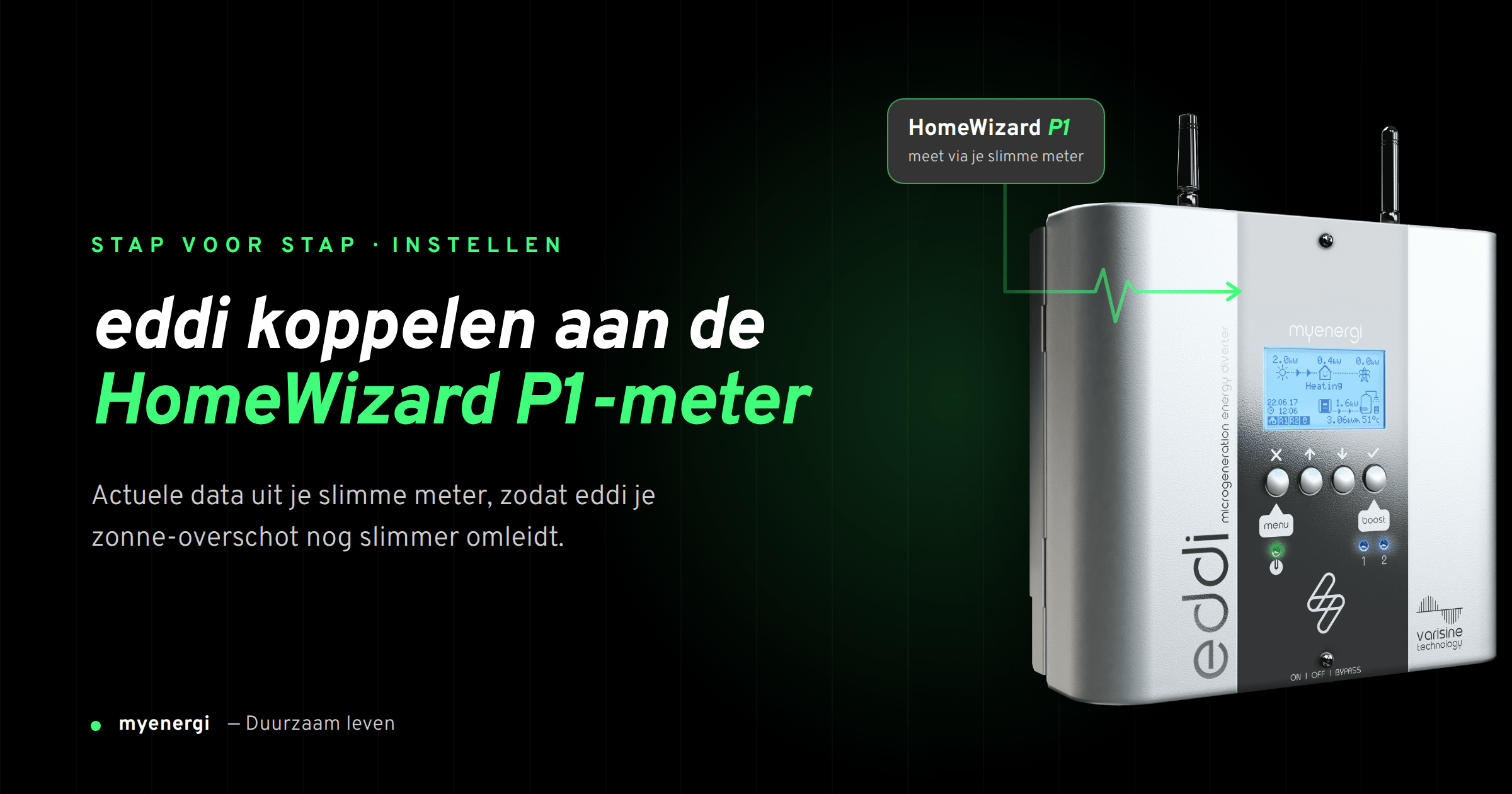
With eddi, you can send excess solar power to your hot water heater, for example. This way, you use solar energy to heat water instead of feeding that power back into the grid.
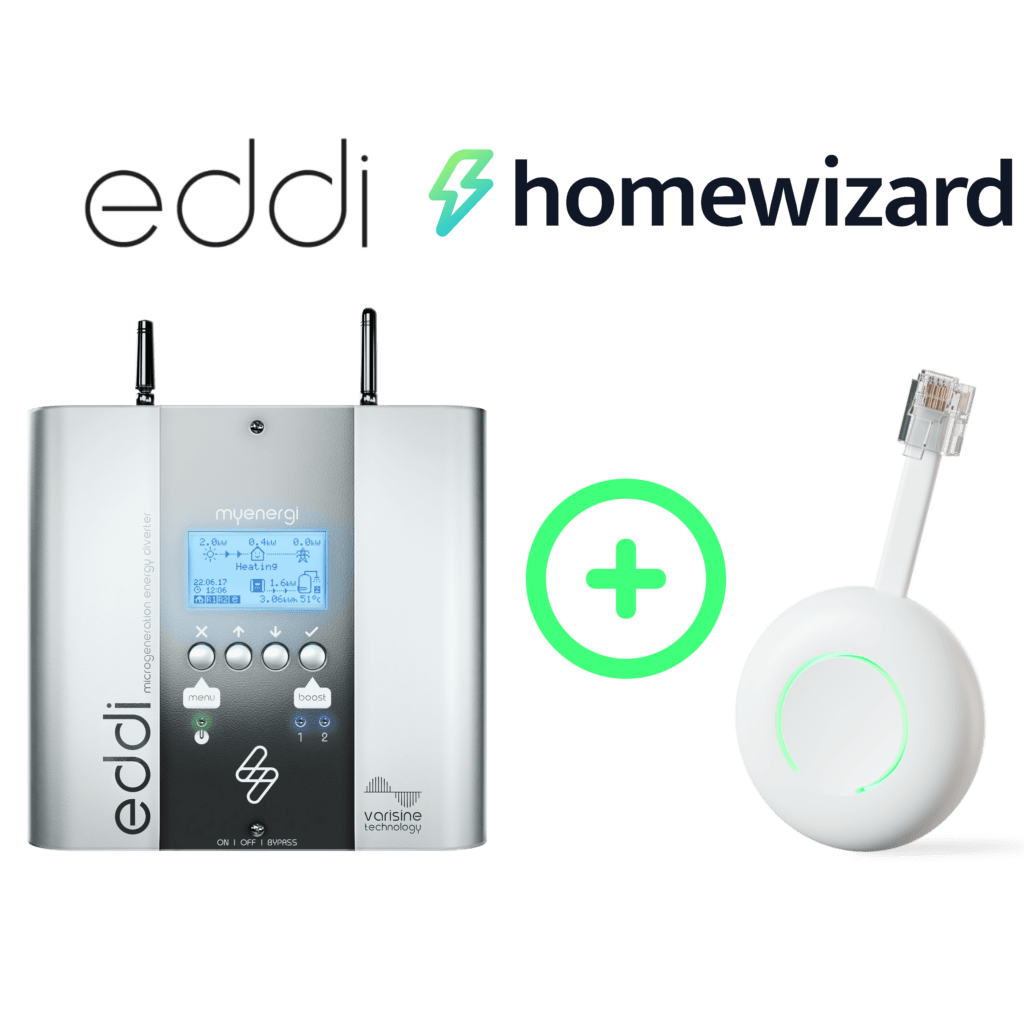
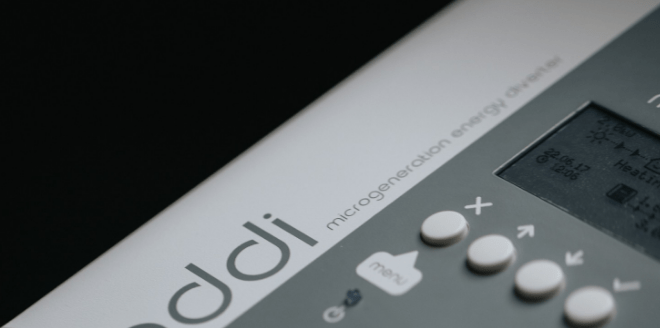
eddi was developed to maximize the self-consumption of the electricity you generate. The system diverts excess electricity from solar panels or wind turbines to a heating device, such as a water heater.
2. Storing as electricity
With libbi, you can store excess solar energy in a home battery. You can then use that energy later when you need it most—for example, in the evening, on cloudy days, or during peak-rate hours.
libbi has a modular design and can be tailored to your home, your energy usage, and your future plans.
Together, eddi and libbi turn your home into a smarter energy system. Not only do they generate energy, but they also manage, store, and use it at the right time.
Why Caching Is Becoming More Financially Attractive
With net metering, it’s no longer just about how much solar power you generate. It’s mainly about what you do with it.
Do you feed electricity back into the grid when you don't need it yourself? If so, you'll receive compensation. If you use that same electricity yourself, you'll need to purchase less. That difference is making personal consumption increasingly important.
Milieu Centraal states that, starting in 2027, it will become even more important financially to use your own solar power immediately. Without active management, households use only a portion of their solar power directly themselves, on average.
Read more about this at
Milieu Centraal on solar power after net metering
.
Storing energy helps you increase your own consumption. You can turn a sunny afternoon into a warmer shower in the evening. Or turn excess power from your roof into a fully charged home battery for later.
That's not just a smart way to save money. It also gives you more control.
eddi: Storing Solar Power as Hot Water
Many homes use energy every day to heat water—for example, for showers, cleaning, or heating systems. With eddi, you can use excess solar power to heat water.
Instead of selling excess electricity back to the grid for a fee, you convert your own electricity directly into useful heat. eddi works with water heaters and can also integrate with heat pumps or battery storage systems to maximize savings.
That makes eddi an easy way to keep more solar power in your home. You don't have to completely adjust your habits to the sun; your home adapts more intelligently.
libbi: storing solar power for later
While eddi converts electricity into heat, libbi stores electricity as electricity. That provides flexibility. You can store the solar energy you generate during the day and use it later for lighting, household appliances, cooking, a heat pump, or other appliances in your home.
Libbi can be charged using solar power, the electric grid, or a combination of both. When charging from the grid, Libbi can optimize charging around peak and off-peak hours or dynamic rates.
This way, your home becomes less dependent on when the sun is shining or how market prices fluctuate. You have more control over when you use energy.
One ecosystem, greater control
The strength of myenergi lies in its cohesiveness. You can start with a single solution and expand later. eddi, libbi, zappi, and harvi work together in a single modular ecosystem, controlled via the myenergi app.
That's in line with myenergi's promise: you decide how to generate, store, use, and feed back your energy.
That is the essence of energy independence. It’s not about cutting yourself off from everything, but rather about gaining more control over the energy you generate yourself.
Calculate the added value of buffered solar power
Wondering what caching can do for your situation?
Use the calculator to discover the potential added value of buffered solar power with eddi and libbi.
Calculate the added value of buffered solar power
Ready for the Future After Net Metering
The end of net metering doesn't mean the end of solar panels. It's the beginning of the next phase: managing your own energy more intelligently.
Anyone who views solar power solely as something to feed back into the grid may end up missing out on value. Anyone who views solar power as something to manage, store, and use at the right time will get more out of their roof, their home, and their investment.
With eddi and libbi, you can get your home ready for this new reality.
Your energy remains your energy. With myenergi.