 zappi
zappi eddi
eddi eddi+
eddi+ libbi
libbi harvi
harvi Extras
 EV Charging
 Manage Your Energy
 Maximize Your Energy
 Track Your Energy Usage
 Find an installer
 Commercial Charging Station
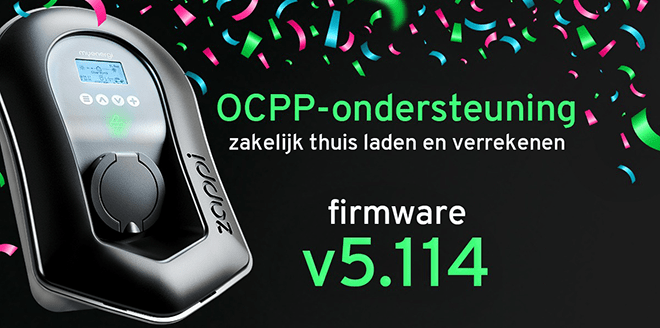 Connect Zappi to a management platform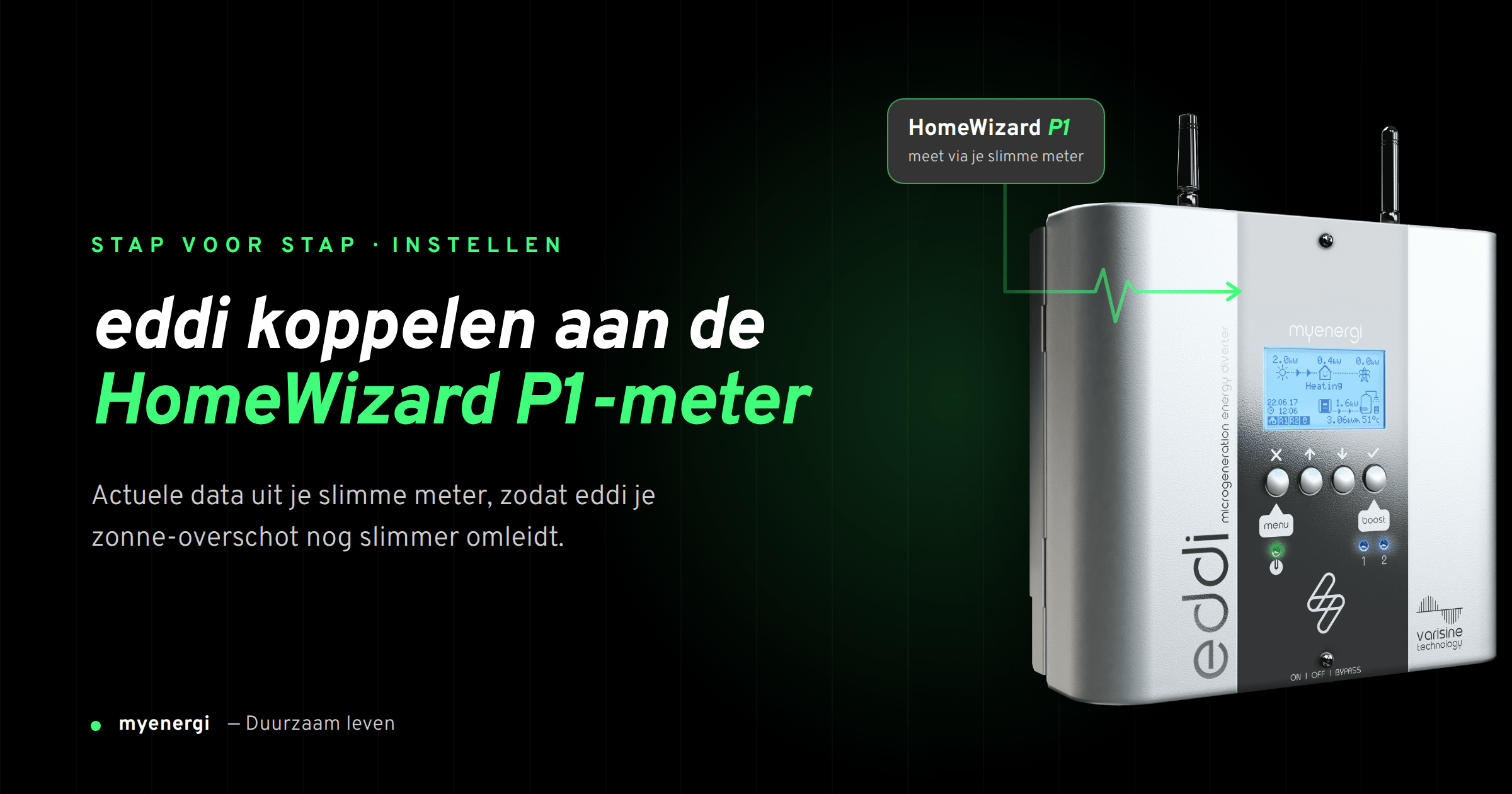
Read more
It appears that the road tax discount for fully electric cars in the Netherlands has been significantly extended. Originally scheduled to be phased out over two years starting in 2025, it has now been decided to fully eliminate this incentive only in 2031. Starting in 2026, electric car owners will pay 60% of the motor vehicle tax, which will increase to 65% in 2029. This is a notable development, as it demonstrates that the government intends to continue encouraging the use of electric vehicles, despite the original plans to gradually reduce the tax benefits.
This extension of the road tax discount for electric vehicles is a clear indication of the ongoing support for the transition to sustainable mobility. It underscores the importance of promoting electric driving as a crucial step toward reducing CO2 emissions and combating climate change.
The decision to phase out the discount more gradually than originally planned provides potential EV owners with additional incentive to make the switch, given the ongoing financial benefits. This could have a significant impact on consumers’ decisions to purchase an electric car, especially when they calculate the total cost of ownership over the vehicle’s lifespan.
In this context, myenergi’s products—such as eddi, zappi, harvi, and libbi—play a crucial role in maximizing the benefits of electric driving. By offering smart energy management solutions that integrate seamlessly with renewable energy sources, such as solar panels, these products help electric vehicle owners and households manage and minimize their energy consumption more efficiently.
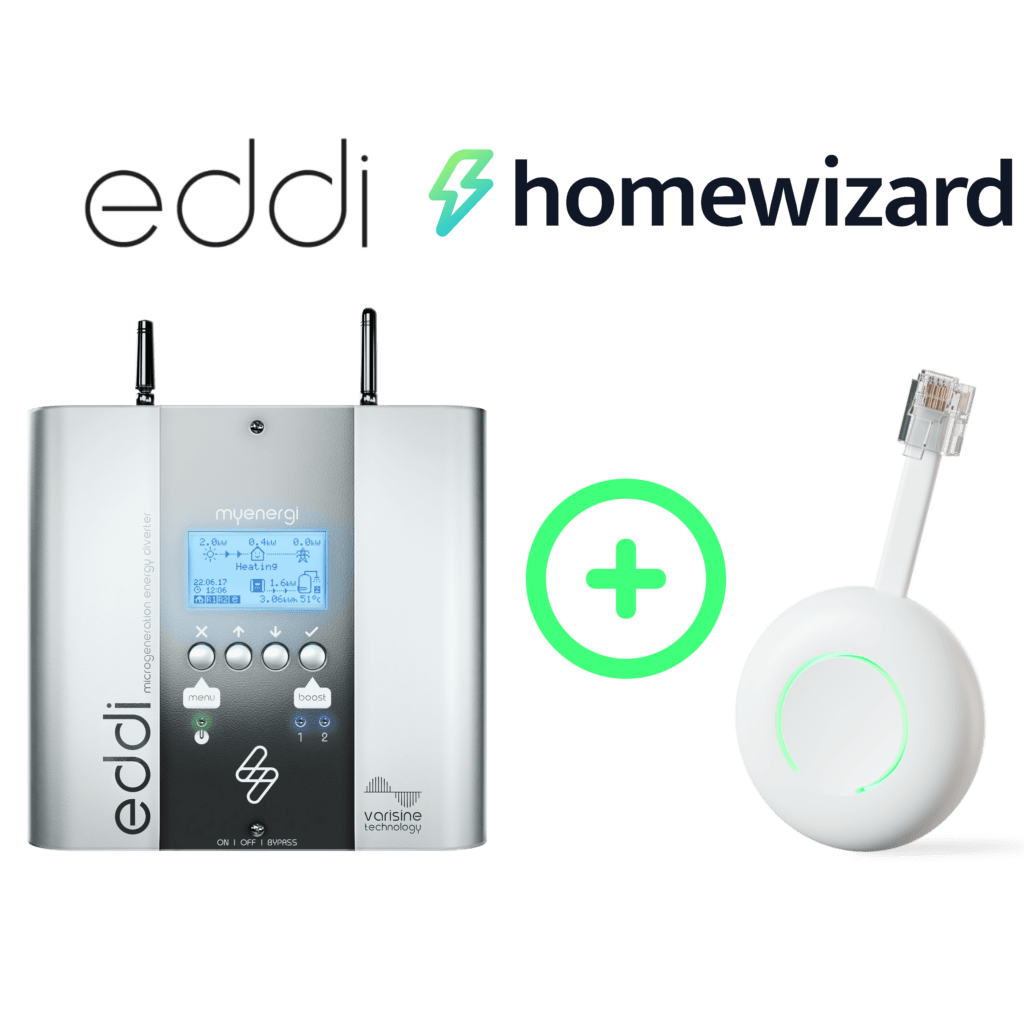
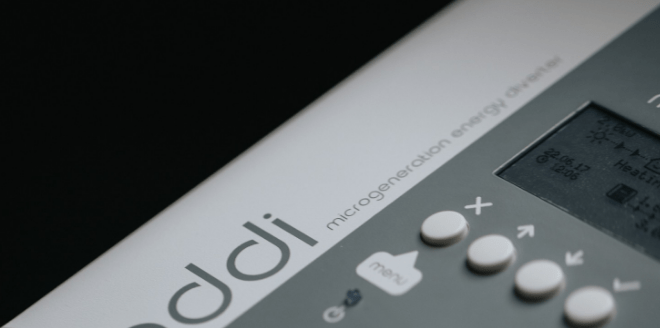
myenergi offers an ecosystem that empowers users to take control of their home energy by enabling various energy management components to communicate intelligently with one another. With products like eddi, users can maximize the use of self-generated solar energy by intelligently applying it to heating, thereby reducing dependence on the power grid and lowering energy costs. The harvi energy-harvesting wireless sensor offers easy installation without the need for batteries or an external power source, which reduces installation costs and maintenance.
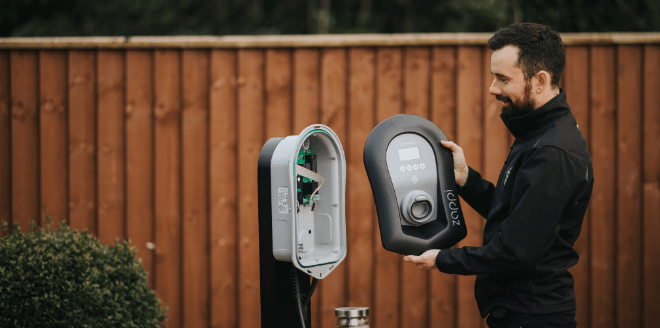
Libbi, myenergi’s home battery, enables homeowners to store self-generated energy and use it when it’s needed most, further reducing costs and increasing energy independence. Finally, zappi, the smart EV charger, makes it possible to charge an electric vehicle using solar energy or cheaper grid power, thereby reducing vehicle charging costs and increasing the ROI of both the solar panels and the electric car.
In conclusion, it can be said that despite the gradual phase-out of the road tax discount for electric cars, driving an electric vehicle is still very cost-effective, thanks in part to myenergi’s products, which help maximize the benefits of self-generated renewable energy. By integrating smart energy management solutions, EV owners and households can lower their energy costs, reduce their environmental impact, and contribute to a more sustainable future.