 zappi
zappi eddi
eddi eddi+
eddi+ libbi
libbi harvi
harvi Extras
 EV Charging
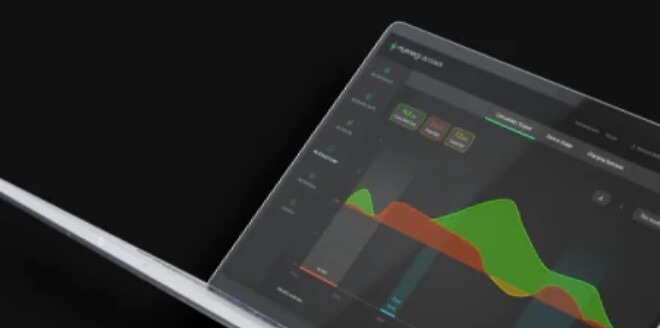 Manage Your Energy
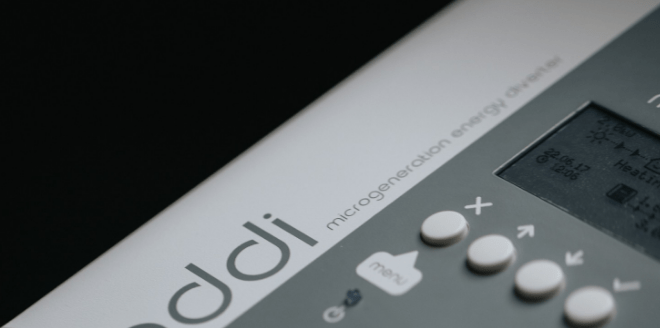 Maximize Your Energy
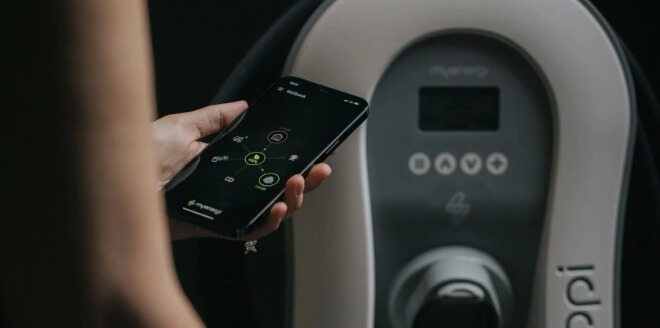 Track Your Energy Usage
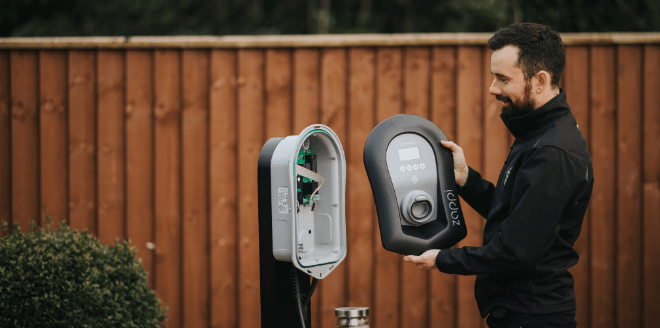 Find an installer
 Commercial Charging Station
 Connect Zappi to a management platform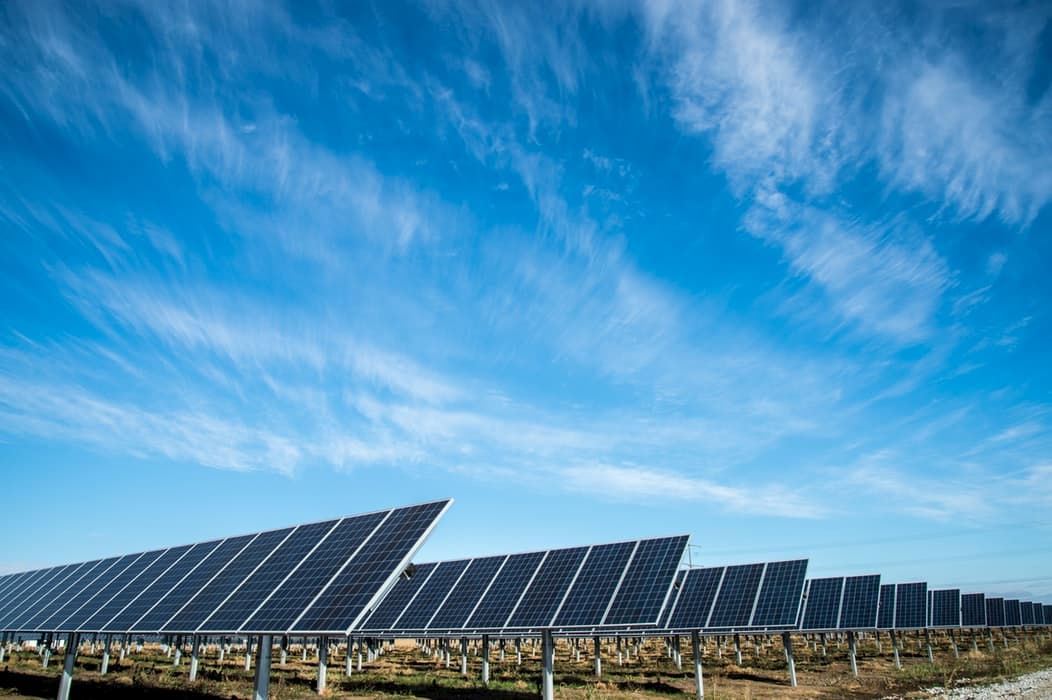
Read more
Solar panels are becoming increasingly popular, and it’s no wonder. They allow you to generate your own energy, thereby reducing your energy costs. Are you curious about exactly how solar energy works and what it can do for you? Then read on.
How do solar panels work?
Solar panels harness sunlight and convert it into usable energy that you can use in your home. You may also come across them under the name PV panels, which stands for photovoltaic. “Photo” means light and “Voltaic” means electricity. So PV panels are literally panels that generate electricity from light. Solar panels consist of many small solar cells that use the “photovoltaic” effect to generate energy.
What do solar cells do?
Generating solar energy is a complex process. It can be roughly divided into three steps:
- The sun's light is absorbed, causing the electrons in the solar cells to be released.
- The electrons move and create a current.
- This current is captured and transmitted through cables.

How is solar energy converted into electricity?
Once the solar energy has gone through the previous steps, it travels through the cables to an inverter. There, the energy from the solar panel is converted into usable energy for your home.
Can solar energy be generated at night as well?
Many people wonder what happens when the sun goes down or when there is little sunlight during the day. If you’re away from home during the day, you’ll mainly use energy in the evening hours.
First, it’s important to know that while solar energy can become your primary source of electricity, it requires many adjustments to completely disconnect from the grid. In the evening, when the sun goes down, your solar panels will go into standby mode, and you’ll get most of your electricity from the grid. It’s therefore beneficial to explore how you can use energy efficiently in your home. We’ll discuss this in the next section.

What happens to the solar energy I don't use? And how can I become less dependent on the grid?
The best option, of course, is to use the energy you generate yourself or store it in your home. There are many developments underway to explore options for this. For example, home batteries are becoming increasingly effective. With a home battery, you can store the excess energy you generate during the day to use in the evening or on days when there are fewer hours of sunshine.
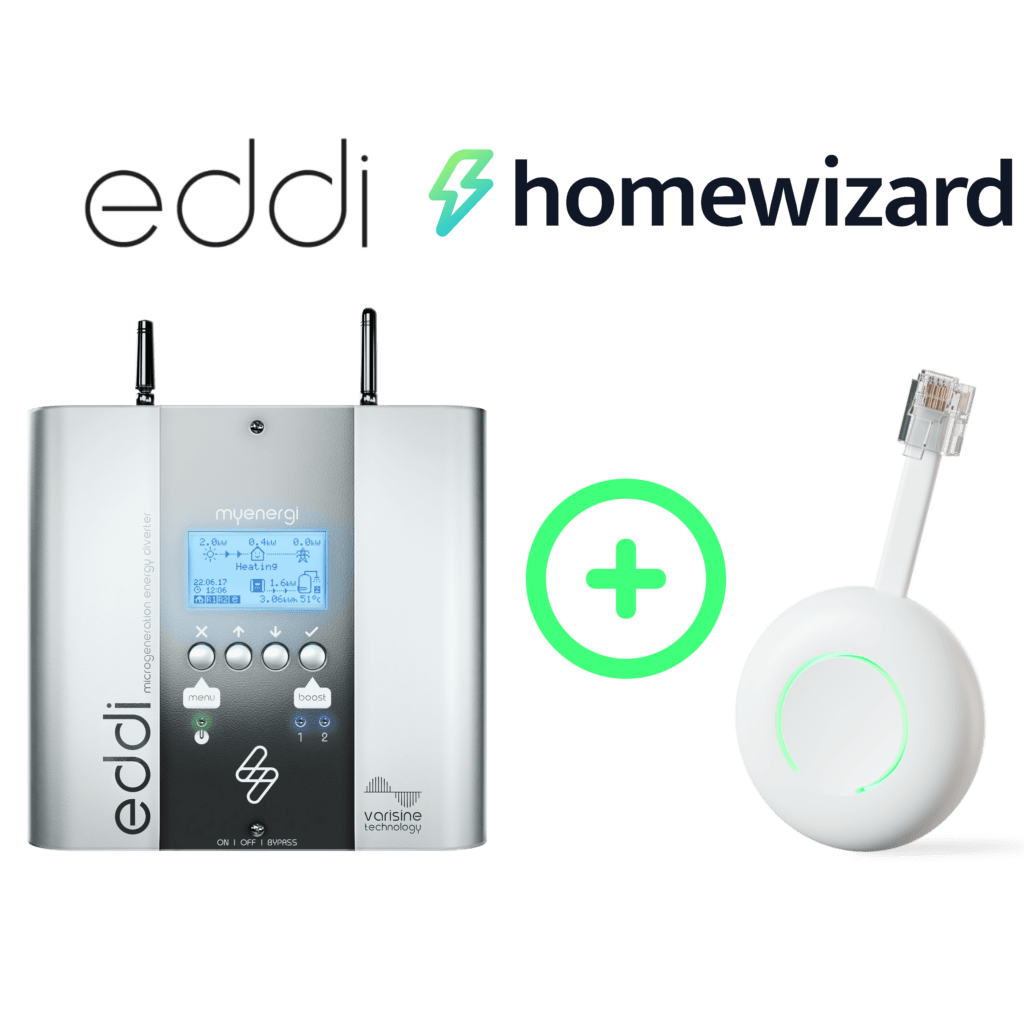
Our innovative eddi is perfect for making the most of the energy you generate yourself. That’s because eddi uses your excess energy to heat your home and provide hot water.
With our Harvi and Zappi products, you can also use your energy even more efficiently. They can detect when off-peak rates are in effect, so you spend less money on your energy usage.
Without a storage system for your self-generated solar energy, it will be fed into the grid. At first, you received a generous payment for this from your energy provider, but this net metering program is being phased out more and more.

What are the benefits of solar energy?
Using solar energy in your home has many benefits. The most important benefit is that it is a renewable energy source. Unlike fossil fuels, solar energy will never run out, and it is not harmful to the environment.
Another benefit is that it lowers your energy bills. When you combine your solar panels with our eddi, you can also reduce your gas bill. You’ll quickly recoup the investment cost of purchasing these products through savings on energy costs. Especially now that gas and electricity prices are rising, it’s particularly advantageous to invest in solar panels right now.
Solar panels also require very little maintenance, so you’ll hardly have any associated costs.
With rising home prices, solar panels offer another benefit: they increase the value of your home. If you decide to move in the future, you can get more money for your home than, for example, your neighbor with the same type of house without solar panels.
How much do solar panels cost?
The price of solar panels depends on the number of panels that will fit on your roof and the type of panel you want. Assuming a set of ten panels, you’ll pay approximately €4,400 for the installation, including VAT and the installation of the inverter. This In the Netherlands, you can still claim a VAT refund to the tax authorities. Ultimately, you'll pay about €3,650 for your ten solar panels (Figures: Milieu Centraal).

What types of solar panels are there?
There are several types of solar panels, including:
- Monocrystalline (black) panels: These panels are known for their high performance, and some people consider them the most aesthetically pleasing. They are among the more expensive panels.
- Polycrystalline (blue) panels: These panels are less expensive than monocrystalline panels, but their performance is significantly lower in comparison.
- Thin-film panels: These solar panels are made from a combination of materials. The panels are portable, flexible, and lightweight. They are also considered aesthetically pleasing.
Then there are also flexible solar panels. These are lightweight and very versatile. They are a portable alternative to traditional solar panels. They can be rolled up and folded, which makes them last longer and allows them to be used in multiple locations, such as at a campsite. One drawback of flexible solar panels, however, is that they are less efficient than non-flexible panels.
Have you already installed solar panels?
If you already have solar panels on your roof, you might want to consider adding more if you have space available. Get the most out of your solar energy with our energy-saving products. Do you have any questions about using our products? We’re happy to help!