 zappi
zappi eddi
eddi eddi+
eddi+ libbi
libbi harvi
harvi Extras
 EV Charging
 Manage Your Energy
 Maximize Your Energy
 Track Your Energy Usage
 Find an installer
 Commercial Charging Station
 Connect Zappi to a management platform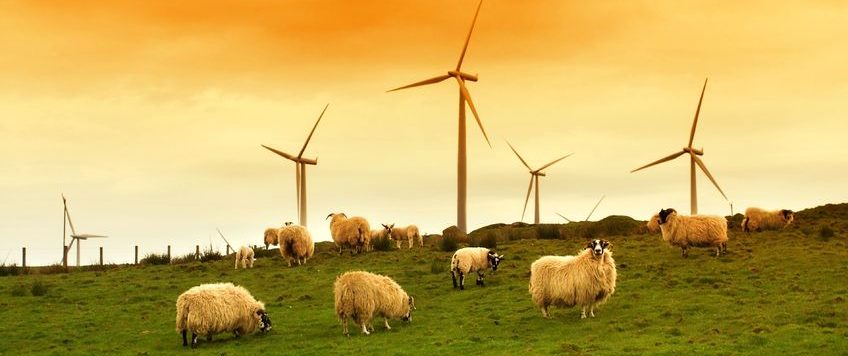
Read more
The CBS recently reported that in 2021, 33 percent of total electricity generation came from renewable sources. Generation that year increased by 22 percent compared to the previous year. This is a positive development. Below, we explain how renewable energy is distributed in the Netherlands.
What are the sources of renewable energy in the Netherlands?
The Netherlands ranks in the European middle of the pack when it comes to renewable energy use. However, this use is on the rise. In 2021, our share was 34 percent, up from 26 percent in 2020.
Solar power generation rose by 30 percent, wind power by 17 percent, and biomass by 23 percent. Electricity generation from natural gas fell by 22 percent. This decline is partly due to the sharp rise in gas prices.
What's the situation in Europe?
In 2019, 34 percent of energy consumption came from renewable sources. By 2020, this figure had already risen to 37 percent. Two-thirds of total production came from wind and hydroelectric power. In addition, 14 percent came from solar power, 8 percent from biomass, and 8 percent from other renewable sources. Solar power has seen the sharpest increase. In 2008, solar power accounted for only 1 percent of total production.
What is the difference between renewable energy and clean energy?
Clean energy is produced under non-polluting and harmless conditions. Most renewable energy is clean, but not all clean energy is renewable. Nuclear power plants and coal-fired power plants that emit fewer harmful gases can also produce clean energy. Of course, they do not produce renewable energy.
Renewable energy is sustainable and naturally recyclable. The sources that emit the fewest harmful gases are wind and solar energy. Looking at these two forms of renewable energy in the Netherlands, we see that there are about 1,200 wind turbines and 1.5 million households with solar panels. Of all renewable sources, these two provide the most energy in the Netherlands.
Why should we choose renewable energy in the Netherlands?
To counteract the effects of climate change and reduce our CO2 emissions, renewable energy has become increasingly important in the Netherlands. All over the world, we must seek out more sustainable sources to preserve our planet.
Generating energy at home has also become increasingly popular in recent years. Many people recognize the benefits, such as saving on energy costs, reducing their carbon footprint, and contributing to a better climate.
What else can we do?
The solution is simple: The more we replace fossil fuels with renewable energy sources, the better it is for our planet. To combat climate change, we need to use our natural resources as efficiently as possible. We can do this by generating energy as sustainably as possible and increasing capacity with green energy products like zappi, eddi, and harvi. This reduces our dependence on the grid and the need for new energy production.
Would you like to learn more about renewable energy in the Netherlands? Then be sure to check out our other guides:
- Self-Consumption of Green Energy: How Does It Work?
- Top 5 Reasons to Use Green Energy
- Answers to the 8 Most Frequently Asked Questions About Renewable Energy
- Storing Renewable Energy
- Geothermal Energy: Everything You Want to Know
- Hydroelectric Power
- Wind Energy
- Solar Energy: Everything You Need to Know
- Energy from Biomass? Everything You Need to Know