 zappi
zappi eddi
eddi eddi+
eddi+ libbi
libbi harvi
harvi Extras
 EV Charging
 Manage Your Energy
 Maximize Your Energy
 Track Your Energy Usage
 Find an installer
 Commercial Charging Station
 Connect Zappi to a management platform

Read more
Living sustainably at home is something many people are focused on. We all want to do our part in the fight against climate change and help ensure a better future. But how can you live sustainably? In this article, we’d like to share some tips for living sustainably.
What is sustainable living?
Sustainability refers to everything that does not have a negative impact on people, animals, and natural resources. It is an umbrella term that encompasses everything from energy consumption to human rights and how we buy and eat our food. Sustainability can be applied in various areas, such as households, local communities, and the global population.
Living sustainably means trying to limit your energy consumption, reducing plastic waste, buying locally, or even growing your own vegetables and generating your own energy. By doing this, you create a safer environment for people and the environment.
At myenergi Sustainability is at the heart of everything we do. It motivates us to fight for a better and safer world for future generations. We also understand that such a broad concept can be difficult to apply in everyday life. That’s why we’re happy to help by providing inspiration and tips for living sustainably.
Three Key Principles for Sustainability
Researchers and academics divide sustainability into three categories:
- Economic Livability
- Social Equality
- Environmental Protection
By identifying areas for improvement in sustainability, we can protect the world’s most vulnerable people, creatures, places, and resources.
Protecting the Environment
Environmental protection is what we at myenergi are working toward. It’s all about protecting our environment and our resources for the long term, and thereby preventing them from being depleted and causing harm to the world. The environment is threatened by the burning of fossil fuels, global warming, plastic pollution in our oceans, deforestation, and, unfortunately, much more.
Sustainable living and renewable energy therefore go hand in hand in the fight against the climate crisis. Fortunately, renewable energy and other sustainable alternatives are becoming increasingly accessible.
Social Sustainability
Social sustainability is about identifying and managing the positive and negative impacts that companies, organizations, and production processes have on people. It refers to:
- Protecting Human Rights
- Safe living conditions
- Equality
- Health
- Protecting the rights of workers, children, and people with disabilities.
Economic Sustainability
Economic sustainability refers to practices that contribute to long-term economic growth without harming social, cultural, or environmental aspects.
You can live sustainably and support economic sustainability by shopping and eating locally and by buying items at thrift stores or online secondhand shops.
Sustainable materials
All products go through a life cycle. They begin with production and end with disposal. Sustainable materials take every phase of this cycle into account. Products are designed to minimize the negative impact of their production as much as possible.
Materials such as wood, bamboo, and other plant-based materials are sustainable because they grow and decompose naturally. Other materials, such as aluminum and copper, can be recycled indefinitely, which also makes their life cycle more sustainable. By being mindful of the materials you choose, you can live sustainably.

Sustainable Living and Plastic
A BBC documentary series titled “The War on Plastic’, makes it clear that every minute of every day, a truckload of plastic finds its way into the ocean. That plastic poses a threat to marine life and causes pollution in the oceans, on beaches, and in the countryside.
About 50% of plastic is made to be used only once before it is thrown away. It takes about 400 years before plastic has broken down, and in the meantime, it can cause a great deal of damage. Plastic is also characterized by breaking down into increasingly smaller pieces, known as microplastics. Once microplastics are present in the environment, they can no longer be removed.
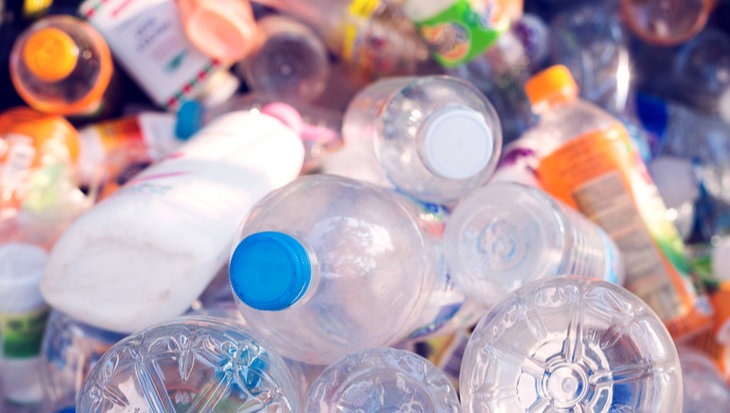
Today, only 9 percent of the world's plastic is recycled. Single-use plastics, such as bags, straws, and packaging, are the biggest sources of unnecessary pollution and are also non-renewable. Want some tips on how to live sustainably? Start by reducing your plastic use.
The 3 Rs: Reduce, Reuse, and Recycle
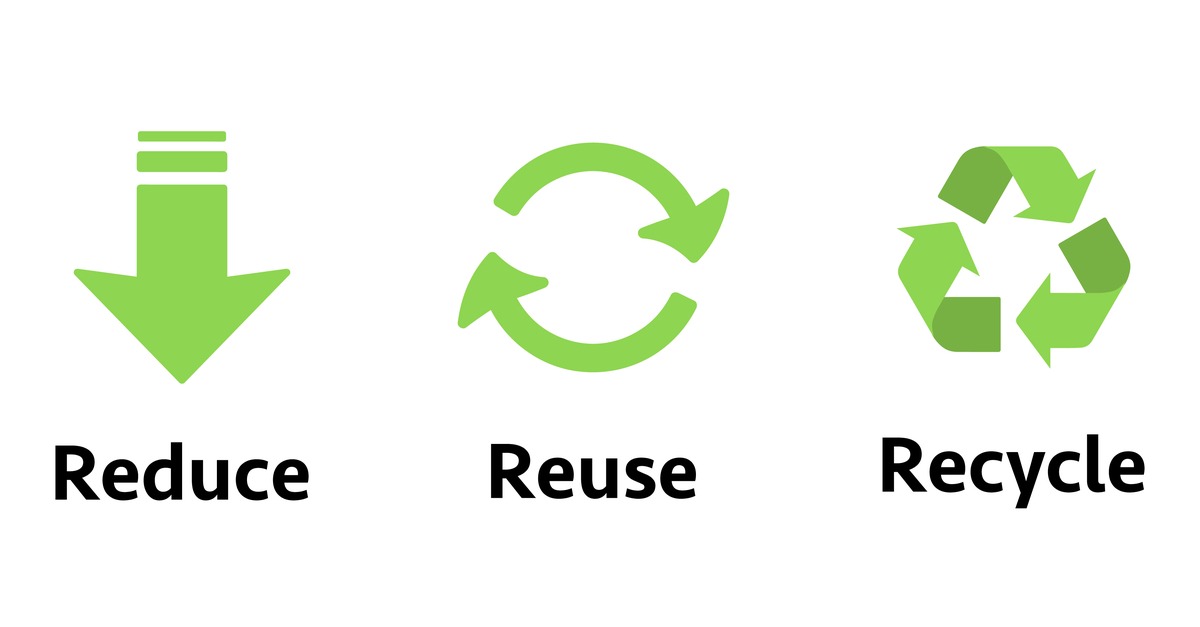
A basic rule for sustainable living at home is: reduce, reuse, and recycle. By keeping this in mind, you can reduce your ecological footprint.
Buy less, consume less
One of the most effective ways to live sustainably is to reduce your energy consumption and plastic waste. You can do this by making a few simple changes that can have a big impact.
Save energy by switching to LED lighting and always turn off appliances and lights that you aren't using. Avoid unnecessary plastic packaging and choose reusable products, such as a reusable water bottle or coffee cup, instead of disposable plastic.
Would you like to take your sustainable lifestyle a step further? Then try to reduce the amount of meat you eat and choose local, seasonal produce.
Reuse
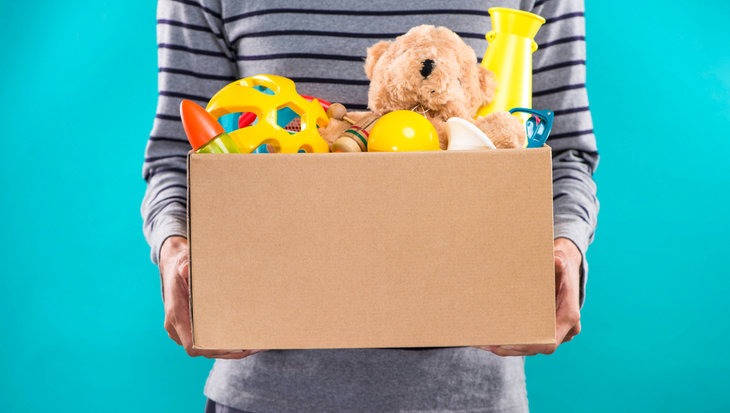
Another tip for living sustainably is to focus more on reusing. Buy fewer things, and if you really do need something, see if you can find it secondhand. These days, you can find all kinds of items at thrift stores and on secondhand websites, such as clothing, books, appliances, home decor, and much more. By choosing secondhand items, you not only save money but also reduce unnecessary waste.
Do you have any items at home that you no longer use? If so, see if you can donate Donate them to a charity or a thrift store, or sell them yourself online. That way, others can enjoy your items.
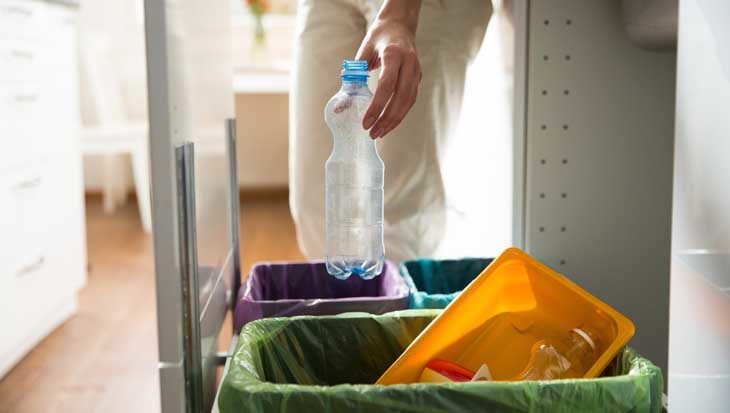
Recycling
The third part of the basic rule for sustainable living is recycling. Recycling helps prevent waste. Before you throw something away, check the packaging to see which trash bin you should use for that item.
Green Energy
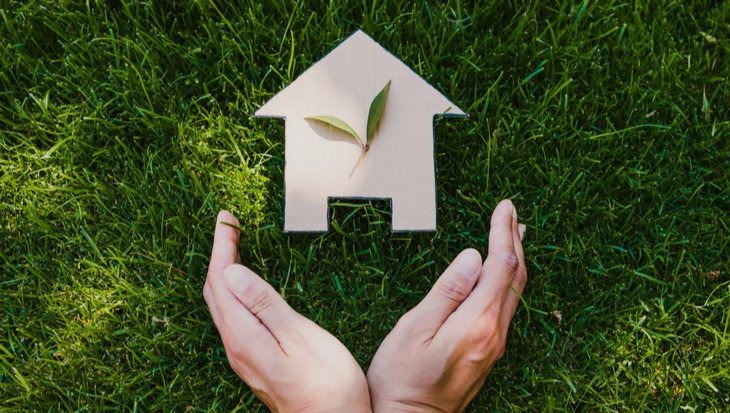
A sustainable lifestyle goes hand in hand with using green energy. You can switch to a green energy provider or start generating your own energy. With our green products, you can easily do the latter yourself.
Sustainable Living in the Future
Over the past seventy years, we have severely depleted our planet through intensive livestock farming, the technological revolution, and an enormous demand for electricity. Now that we are beginning to face the harsh truth about climate change, it has become clear that we need to learn new techniques and manage our energy needs differently.
At myenergi, we work every day to design and create renewable energy technologies that are accessible to everyone. We also believe it’s important to share what we’ve learned with others. By being mindful of our impact on the Earth, we aim to pave the way for sustainable living at home. We want to reduce our carbon footprint and create a sustainable future for everyone.