 zappi
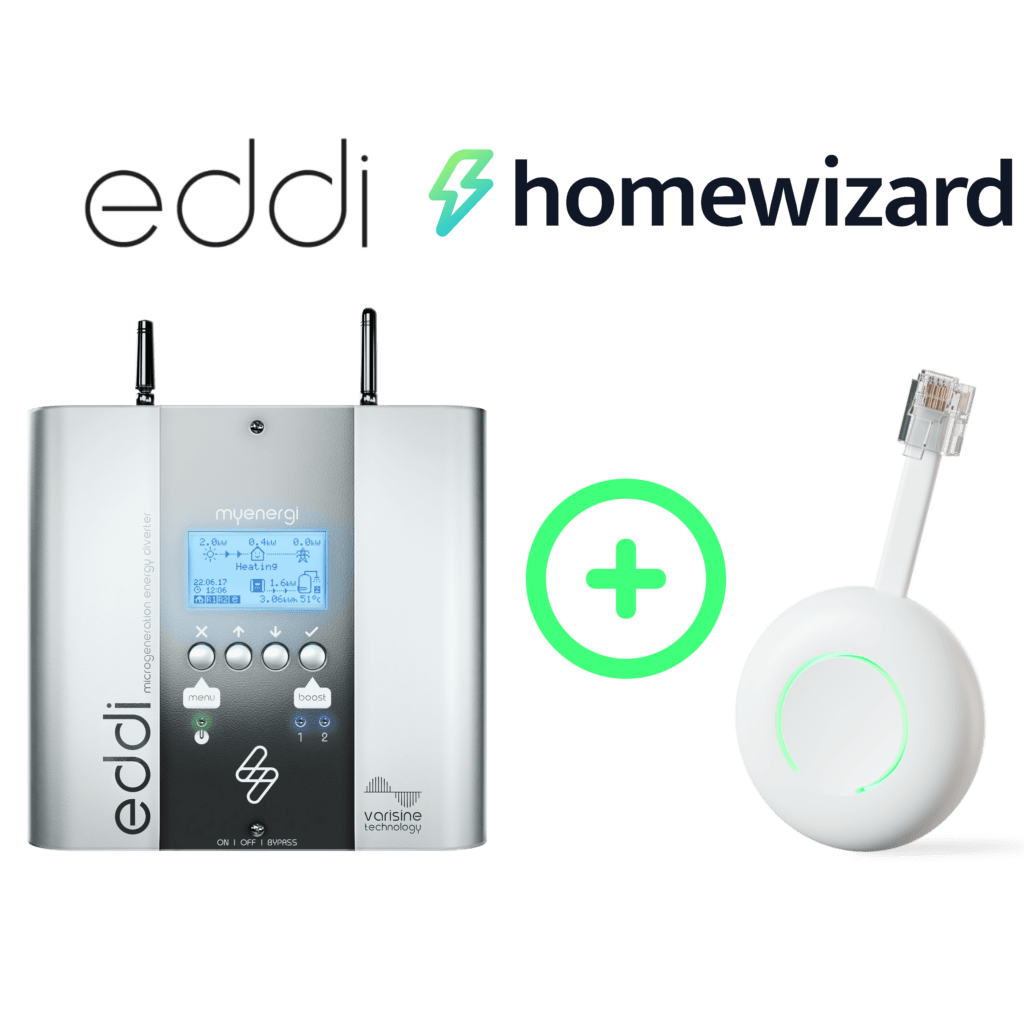
zappi eddi
eddi eddi+
eddi+ libbi
libbi harvi
harvi Extras
 EV Charging
 Manage Your Energy
 Maximize Your Energy
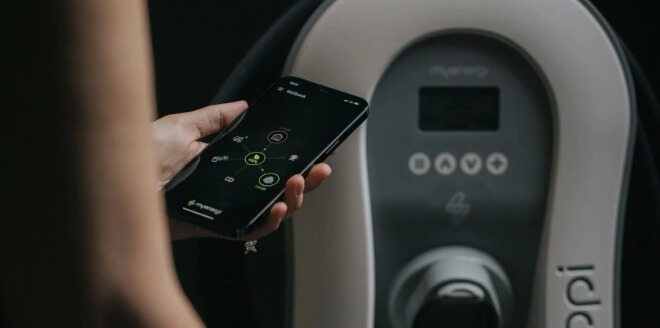 Track Your Energy Usage
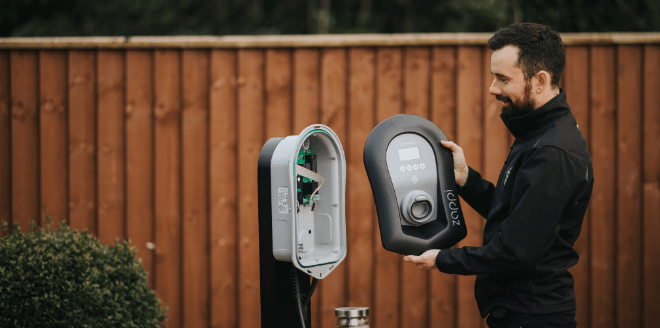 Find an installer
 Commercial Charging Station
 Connect Zappi to a management platform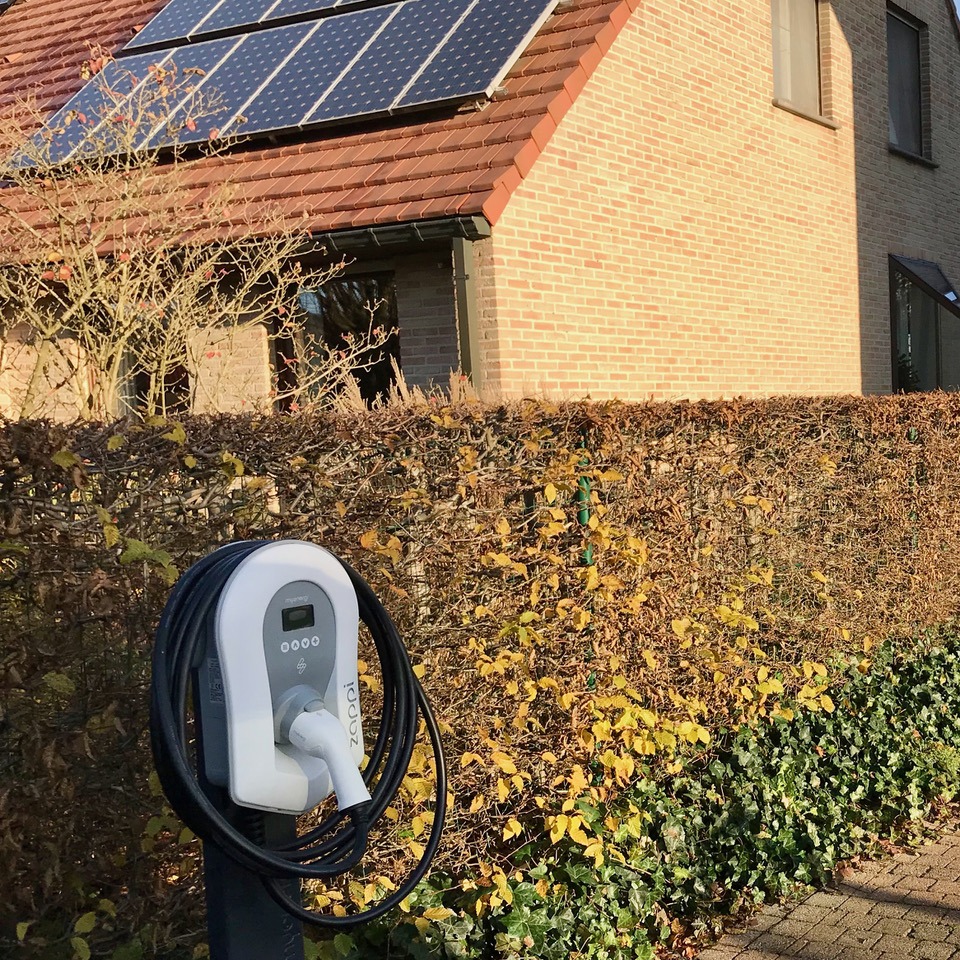
Read more
These days, there are media reports about electric vehicles almost every day. The transition to zero-emission vehicles is unstoppable. It is becoming increasingly clear that, in the near future, the decision to switch to a fossil-fuel-free mobility solution will have to be made. Encouraging Governments Through Discounts In addition to tax incentives, municipal governments are taking measures to improve air quality, and the automotive industry is also investing heavily to be ready within a few years to meet the (unstoppable) demand.
Electric driving is the future—or rather, once it fits within your budget, it’s a sensible choice. Because let’s be honest: for many people, an electric car is still too big an investment. However, the used-car market is growing steadily, and it’s already becoming clear that residual values are high due to rising demand. This is an eye-opener for anyone still considering buying a gas- or diesel-powered car: demand for these vehicles will decline significantly within five years, as environmental zones restrict the freedom of movement for these CO2-emitting cars.

Differences from Traditional Cars
Once you’ve decided to buy an electric vehicle, there are, of course, a few differences in how you drive it. Driving an electric car is a bit different from driving a gas or diesel car. It may go without saying, but the biggest difference from traditional cars is that electric cars don’t emit CO2. No fossil fuels are used, and there are no polluting emissions. This is, of course, a major advantage for people who want to reduce their carbon footprint. It’s important, of course, to consider the type of electricity you use to charge the car. The greener the electricity, the more environmentally friendly the car is.

How do you charge an electric car?
There are roughly three ways to charge your car: fast charging, public charging, and home charging.
Fast Charging
The first method is mainly used during longer car trips when the battery’s capacity isn’t sufficient to reach the destination. In such cases, the battery can be recharged very quickly at high power; usually, between 20 and 30 minutes is enough to continue the trip. You cannot control the current used in this process.
Public Charging
The same applies to public charging—for people who can’t charge at home or if you’re parking somewhere for an extended period of time. In this case, too, you can’t choose the source of the electricity used to charge your vehicle. Of course, as the energy mix becomes greener, this electricity will also be generated in increasingly sustainable ways, and its environmental impact will continue to decrease.

Home Drawers
The third option for charging an electric vehicle is charging at home. You can decide for yourself how the electricity for your car is generated. Through your electricity provider, you can choose green energy plans that guarantee you clean electricity. At the time of purchase, however, this electricity could still be classified as "gray," but it will have to be offset at a later date.
However, if you generate your own energy—using solar panels or a wind turbine—it should be possible to feed that green electricity directly into your vehicle. And that is, in fact, exactly what the following product has been doing since its launch in 2017, thanks to innovative technologies. The myenergi zappi charging stations In fact, they offer this option by taking the surplus solar power into account during charging. This means no electricity is drawn from the public grid. It is purely the vehicle’s own generated power—provided it is available—that is used to charge the vehicle. This guarantees that you can drive using 100% green energy, without any coal-generated electricity.

How do I choose a home charger?
There are many home chargers on the market, with every brand trying to get a piece of this rapidly growing market. And since every brand and model has its own unique features, it’s quite a challenge to make the right choice. The key features a smart charging station must have are obvious: the device must be able to charge the vehicle safely and quickly.
The myenergi zappi features smart technology that protects your home’s main circuit breaker—even if you want to charge your car while cooking or when the washing machine, kettle, or heat pump is running. The charging station’s power output is automatically reduced when necessary to prevent overloading your home’s electrical system.
At the same time, you can configure the device to account for upcoming capacity-based rates. This allows you to continue purchasing electricity at the most economical rate while ensuring your car charges as quickly and sustainably as possible. In this way, the impact of electric driving is minimized, the strain on the power grid is reduced, your electricity bill will be lower, and the environment will certainly benefit as well. We all share a responsibility, and making the right choices is crucial to achieving our climate goals.