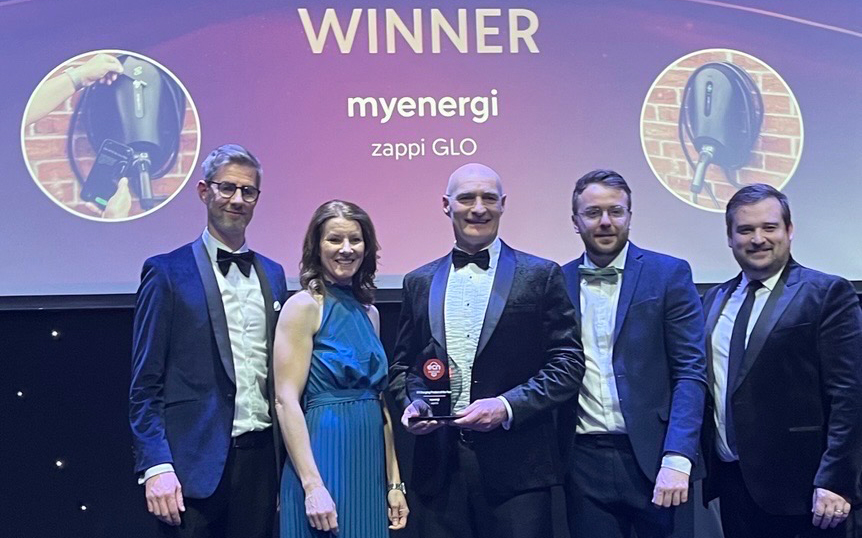
 zappi GLO
 zappi
zappi eddi
eddi eddi+
eddi+ libbi
libbi harvi
harvi View all our products

Read more
If you’re installing EV chargers today, you’ll know that charging reliability matters just as much as safety. One of the most common frustrations is the call from a customer saying their vehicle didn’t charge overnight. You arrive expecting a fault, only to discover the charger disconnected because of a voltage event that wasn’t actually dangerous.
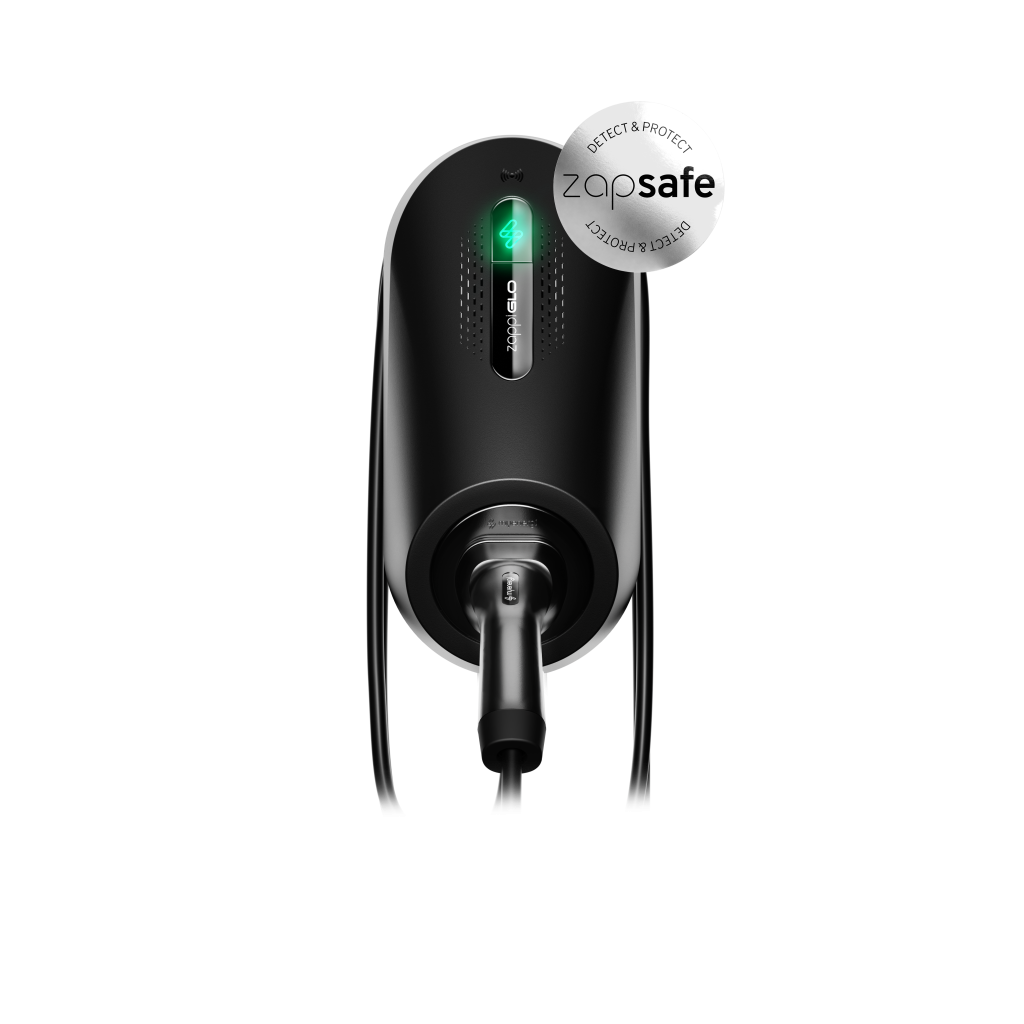
As more solar PV, batteries, heat pumps and EV chargers connect to local networks, voltage excursions are becoming increasingly frequent – even on sites where there was no issue historically. Installers are seeing the effects first-hand, with nuisance tripping becoming a growing issue across parts of the UK.
That’s exactly the challenge myenergi has been addressing for years. Every zappi charger includes our patented dual-sensing PEN-fault protection technology. It’s not new technology, but we’re now giving it a name: zapsafe™to highlight how differentiated this approach is.
Why does this matter?
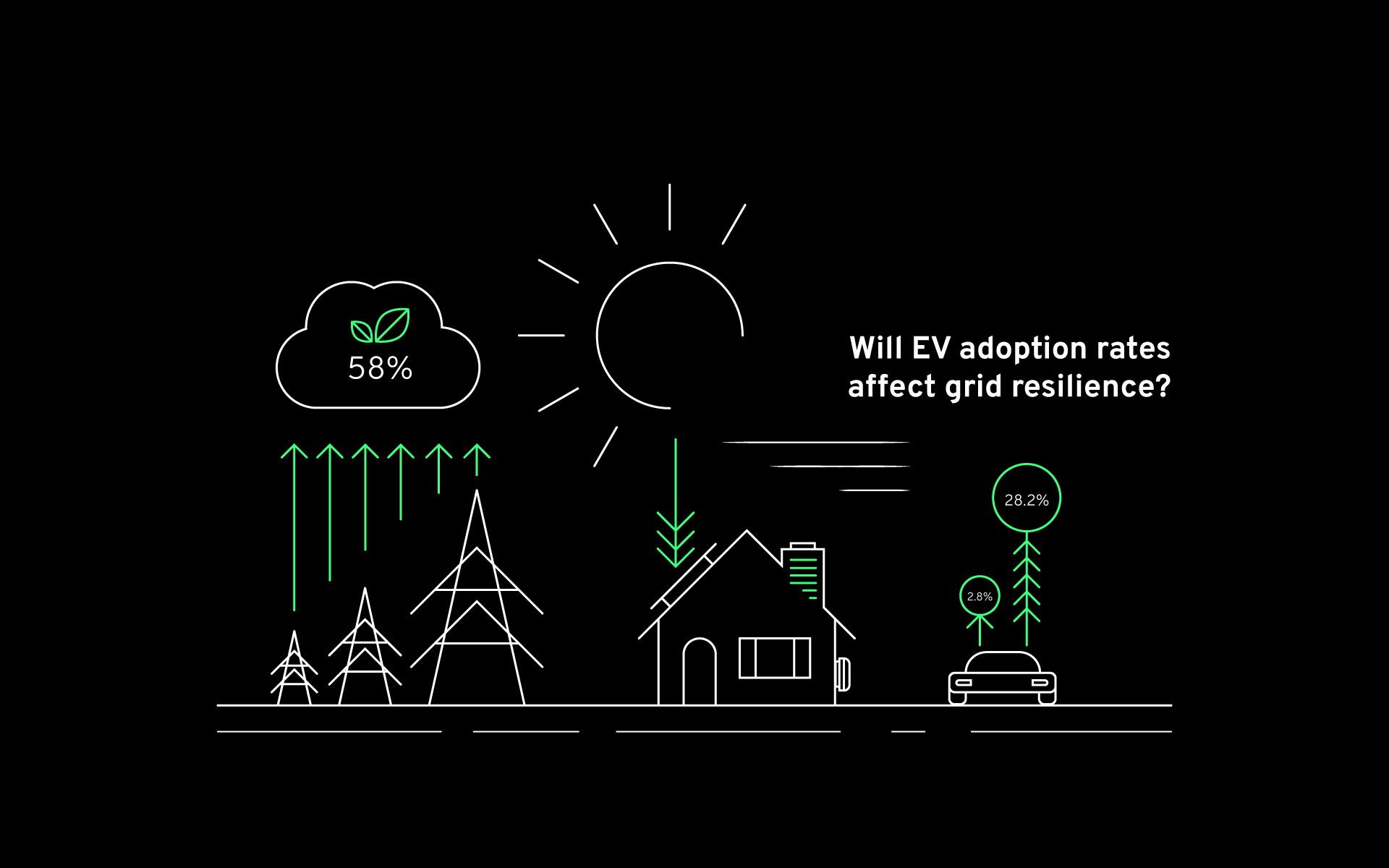
The electrical grid isn’t what it was ten years ago. Homes are no longer simply consuming electricity. They’re generating it through solar panels, storing it in batteries, powering heat pumps and charging EVs.
For EV chargers that rely solely on voltage monitoring (as a proxy for PEN-fault detection), these changes can sometimes lead to unnecessary charging interruptions. The charger sees an unusual voltage condition; assumes there’s a fault and disconnects. It may be doing exactly what it was designed to do, but that doesn’t make it any less frustrating for the driver or the installer who gets called back to investigate.
What is zapsafe™?
zapsafe™ is myenergi’s patented dual-sensing pen-fault protection system. Put simply, it doesn’t rely on voltage alone. Alongside monitoring voltage, zapsafe continuously monitors what’s happening on the protective earth path.
By looking at both factors together, all zappi charge points are able to tolerate a much wider voltage range and the charger can build a much clearer understanding of whether a genuine fault exists or whether it’s simply seeing normal grid fluctuations. This dual-sensing approach helps maintain robust protection while significantly reducing unnecessary disconnections.
A quick refresher: what is an open PEN fault?
In a TN-C-S installation, a broken or disconnected PEN conductor can create potentially dangerous touch voltages on exposed conductive parts, including EV charging equipment and the vehicle being charged.

Many solutions detect potential PEN faults solely through voltage monitoring. While effective for safety, this method can be prone to nuisance tripping due to the voltage range stipulated by BS7671 722.411.4.1(d), particularly as local network conditions become more dynamic.
zapsafe takes a different approach by monitoring both voltage and protective-earth current, giving the charger additional information before deciding whether disconnection is necessary. This method is compliant with BS7671 722.411.4.1(e) and the Declaration of Conformity is available to download: support.myenergi.com/hc/article_attachments/39780760726929.
Proven in the field
Analysis of 1,000 live zappi installations on a high solar production day, found that only six units experienced overvoltage trips – around ten times fewer than would be expected from a voltage-only protection approach.
For installers, fewer unnecessary trips mean fewer customer complaints, fewer return visits, less time spent troubleshooting installations that aren’t actually faulty and more confidence when installing in challenging locations.
What installers tell us matters most
- Fewer call-backs because charging interruptions are reduced
- Simpler installations with protection handled within the charger
- Greater confidence in voltage-sensitive locations
- Happier customers who rely on dependable charging
Built for the grid we’re installing into today
The UK’s electricity network is changing rapidly, and the industry’s approach to EV charging needs to evolve alongside it.
zapsafe™ was developed with exactly that challenge in mind. By combining voltage monitoring with protective-earth current monitoring, it provides installers with a robust, integrated safety solution designed for today’s increasingly dynamic grid.
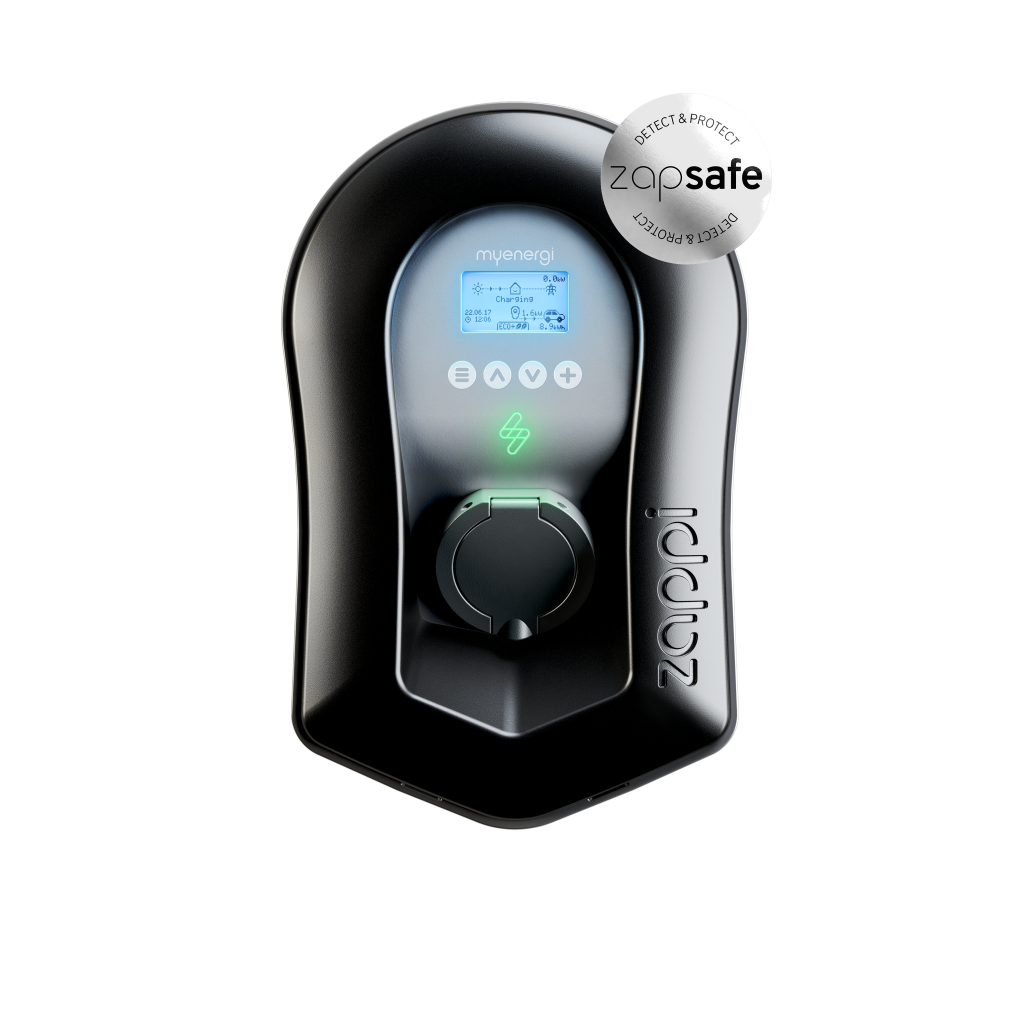 As EV adoption grows, installers are working across an increasingly diverse range of charging environments – from traditional driveways to apartment developments, shared parking facilities and emerging cross-pavement charging solutions that are helping more households access home charging. Reliable charging is becoming more important than ever, regardless of where the charger is installed.
And because zapsafe™ comes as standard across the entire zappi range, including the new zappi GLO, installers can specify either product knowing the same trusted protection is already built in.
No extra equipment. No complicated workarounds. Just proven protection and more reliable charging.
Want to see how zapsafe™ works in practice?
Watch the eFIXX explainer to see how dual-sensing PEN-fault protection helps reduce nuisance tripping and why it’s becoming increasingly important as grid conditions evolve.
▶ Watch the eFIXX video: https://www.youtube.com/watch?v=6OEbe9R8URo&t=3s