 zappi GLO
 zappi
zappi eddi
eddi eddi+
eddi+ libbi
libbi harvi
harvi View all our products

Read more
myenergi’s patented safety technology is designed to reduce unnecessary EV charging interruptions while maintaining strong protection and support for households and installers
Grimsby, UK – 22 July myenergi, the creator of the award-winning zappi electric vehicle (EV) charger, has today unveiled zapsafe™, its patented safety system designed to help keep home EV charging reliable as the UK electricity network becomes more complex.
As more households adopt solar panels, home battery storage, heat pumps and EVs, local electricity networks are handling energy in new ways. As a result, installers are increasingly called out to deal with chargers that stop unnecessarily because of voltage fluctuations rather than genuine electrical faults.
Designed for the realities of today’s electricity network
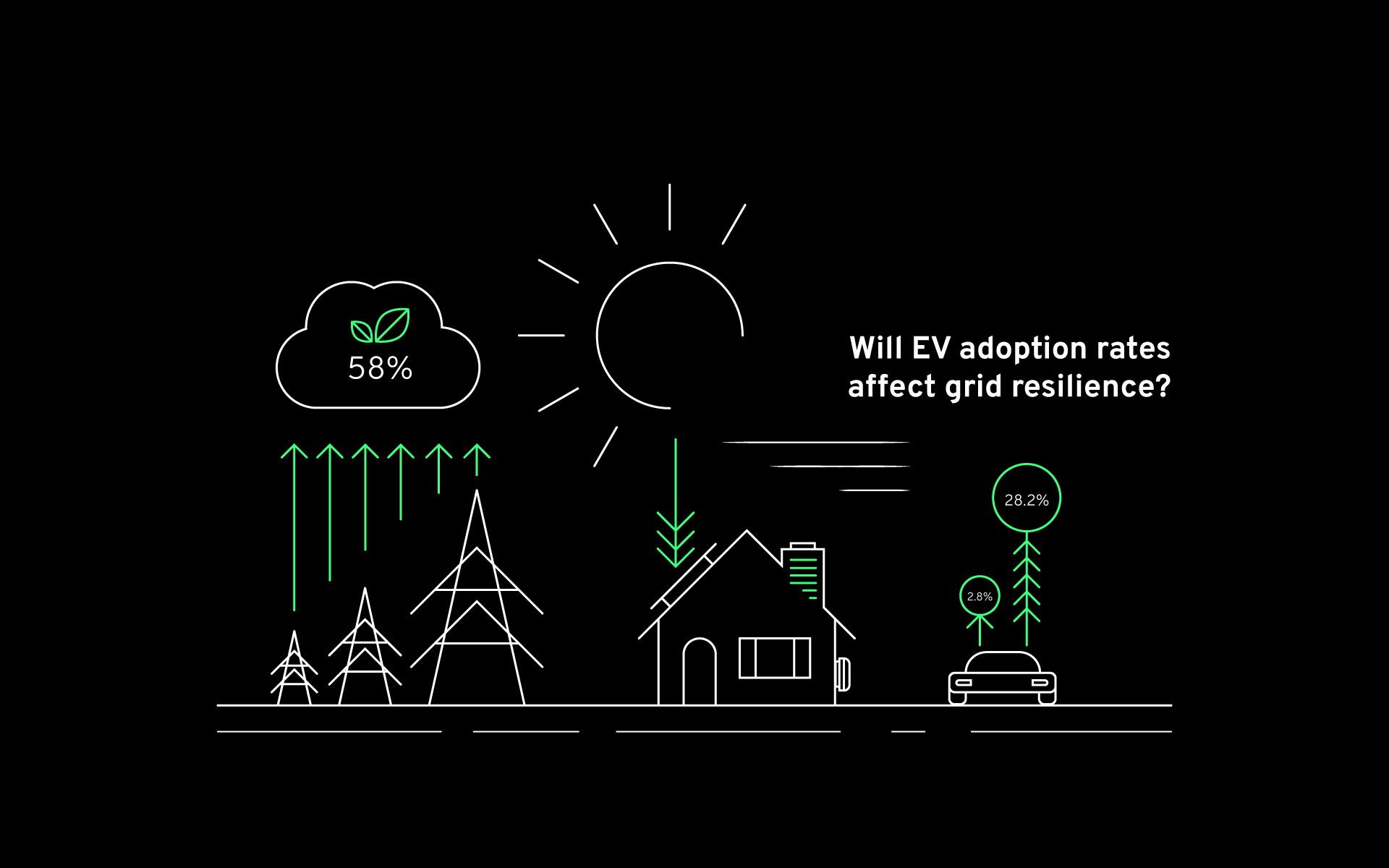
The UK’s electricity network is changing rapidly. Instead of electricity simply flowing one way from large power stations to homes, millions of households are now generating, storing and using their own energy through technologies like rooftop solar panels, battery storage and EVs.
Most EV charger includes safety systems that disconnect the power if they detect a potential electrical risk. Many chargers rely primarily on voltage to make that decision, meaning normal fluctuations in the electricity network can sometimes stop charging even when there is no genuine fault.
zapsafe™ is designed to help reduce those unnecessary trips by assessing both the supply voltage and the charger’s Protective Earth and Neutral (PEN) connection before disconnecting. The result for installers is less time spent troubleshooting, more time installing – and fewer unhappy customers.
The same trusted protection across the zappi range
zapsafe™ comes as standard across the entire zappi range, including the zappi GLO. By integrating dual-sensing protection within the charger, installers also benefit from a straightforward installation process without the need for additional protection devices.
As demand for home EV charging continues to grow, zapsafe™ is designed to help installers spend less time dealing with avoidable issues and more time delivering quality installations.
Real-world data shows up to 10x fewer unnecessary charging interruptions
Data collected from 1,000 live zappi chargers found that only six units experienced overvoltage trips, around ten times fewer than would have been expected from systems relying on voltage monitoring alone.*
This will give extra reassurance to EV drivers who have experienced the hassle of expecting a full battery for the morning commute or for a longer journey, only to wake up and find their vehicle has stopped charging overnight.
By assessing both factors together, zapsafe™ can better distinguish between genuine safety risks and normal voltage fluctuations, helping reduce unnecessary charging interruptions without compromising safety.
Lee Sutton, Founder & Chief Innovation Officer, myenergi, said:
“As more households make the switch to EVs, solar and home battery storage, reliable charging has never been more important. zapsafe™ relies on proven technology, created in close collaboration with our installer network to solve a challenge we’re seeing more often in the field.
“Whether it’s giving drivers confidence that their vehicle will be ready in the morning or helping installers spend less time on unnecessary call-backs, zapsafe™ is designed to deliver more dependable charging without compromising on safety.”
To find out more about how our electricity system is changing and how zapsafe™ can help your household with more reliable charging, check out the video by eFIXX on YouTube.
*8 July 2025, myenergi analysed voltage data from a randomly selected sample of 1,000 zappis over a 90-minute peak PV-export period, gathering minute-by-minute voltage data and comparing those readings with the voltage limits used by chargers with voltage only detection in accordance with BS7671 722.411.4.1(d): <207V or >253V.