 zappi GLO
 zappi
zappi eddi
eddi eddi+
eddi+ libbi
libbi harvi
harvi View all our products

Read more
What does the future hold for the transition to electrification?
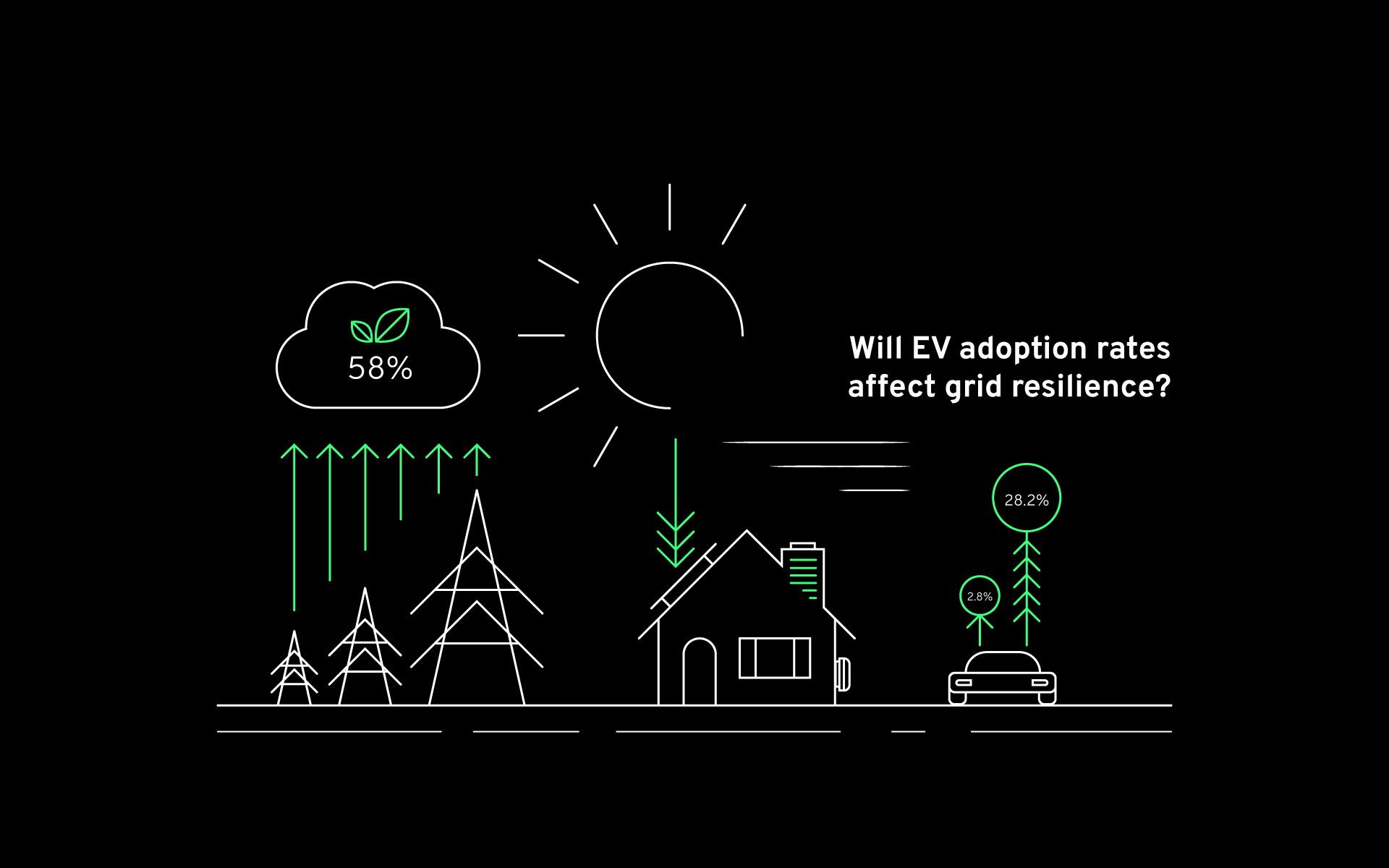
According to the latest insight from the Society of Motor Manufacturers and Traders (SMMT), the sales of second-hand battery electric vehicles (BEVs) grew by an impressive 44.4% year-on-year in Q3 2025. Hybrid electric vehicles (HEVs) also saw a sharp 30% rise, while plug-in hybrid (PHEV) sales reported a modest increase too.1
Lee Sutton, co-founder and chief innovation officer at myenergi, explores the increasing popularity of EVs, the latest second-hand sales data and what this means for the sector in 2026 and beyond.
The main drivers for the UK’s demand in EV cars
Overall, the UK’s used car market grew by 2.8% year-on-year. Despite this, demand for petrol increased by a meagre 1.9% and demand for diesel actually fell by 2.8%. This suggests that used plug-in vehicles are becoming increasingly popular and, as a result, sales will continue to grow.
While the boom can be partly attributed to soaring demand for cleaner, greener vehicles, the cost efficiency of second-hand EVs shouldn’t be underestimated. Alongside enjoying near price parity with used internal combustion engine (ICE) cars, EV drivers also benefit from lower running costs and notably fewer maintenance requirements.
In addition, electricity is far more affordable than fuel as a day-to-day running cost when charging at home, especially when paired with time-of-use tariffs. Indeed, many EV drivers currently pay as little 3p per mile for electricity when taking advantage of off-peak charging. This means that, regardless of the new “pay-per-mile” EV tax which is set to be introduced in 2028, EV running costs are still much lower than those of ICE vehicles, which typically exceed 13-17p per mile in fuel alone.2
Does cost come at the expense of performance?
While perceived battery life is still a concern for some motorists, experts suggest that the average electric vehicle battery can last almost 20 years, or up to 200,000 miles – a significantly longer lifespan than the typical ICE and far longer than today’s typical length of vehicle ownership. What’s more, while battery efficiency will eventually decrease, the average EV will lose just 2% of accessible range per year.
Significant investment from manufacturers has gone into designing ever-more capable vehicles to suit the needs of tomorrow’s drivers. Take the Mercedes EQS, for example, which can travel more than 450 miles on a single charge; or the BMW iX3, which can be charged from 10-80% battery capacity in just 21 minutes. Even a more budget-friendly EV like the Renault 5 can travel 193 miles before needing to charge – more than enough for the general typical home-work-home commuter.
Ultimately, switching to electric makes environmental and financial sense. What’s more, what used to be a major barrier to adoption – range anxiety – is quicky becoming a thing of the past. Not only are modern EV batteries bigger, better and more efficient, but drivers in 2025 have more options than ever for how and when to charge their cars.
The EV charging revolution
Data from Zap Map suggests that there are now 87,168 public chargers installed across 44,326 locations, 17,829 of which are rated ‘rapid’ or ‘ultra-rapid’.3 In addition, a further £381 million has been earmarked by the UK government for 100,000 additional chargers nationwide.4
When it comes to personal charging, there are now upwards of one million home EV chargers installed across the UK,5 yet another nail in the coffin of owning and running an ICE vehicle.
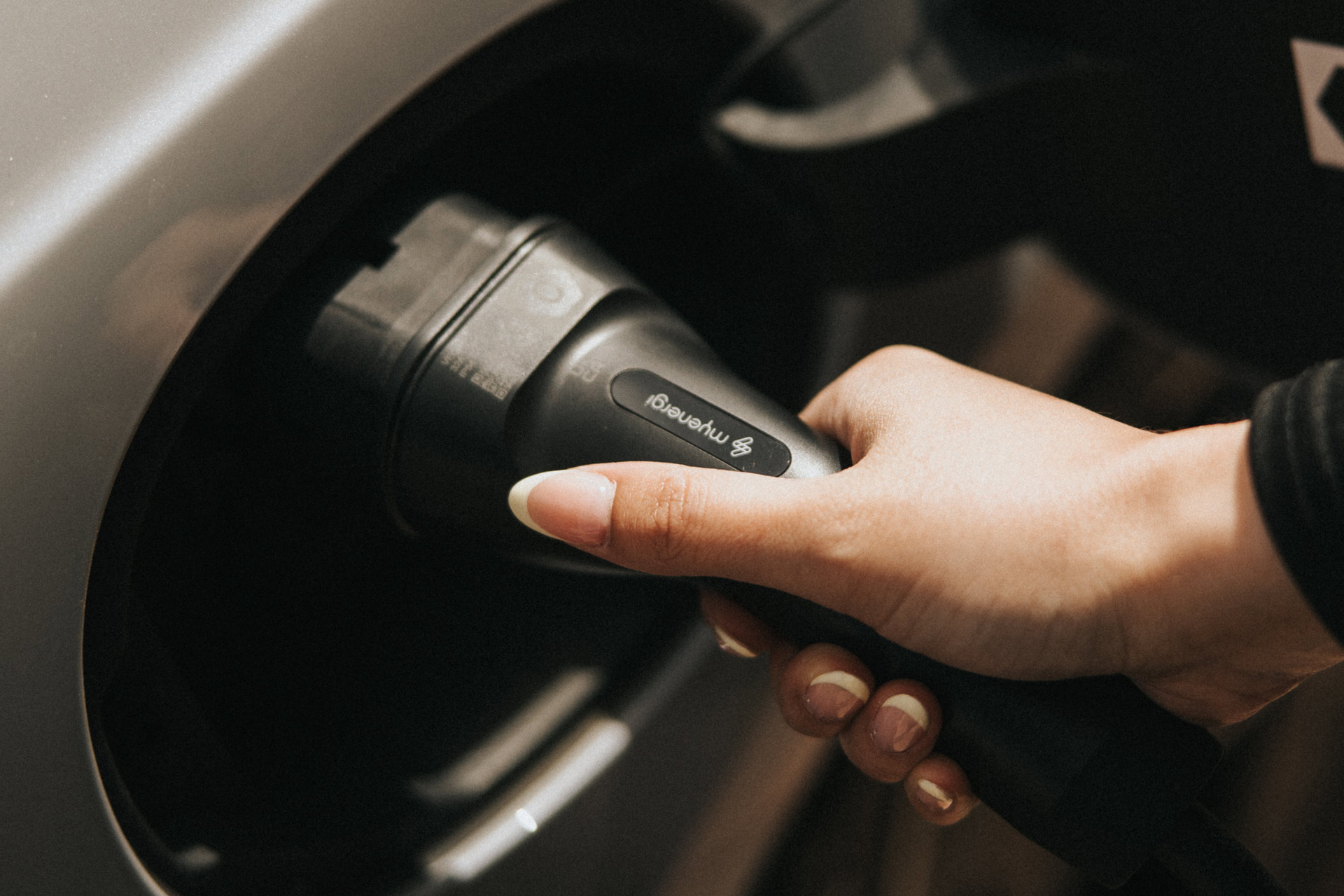
At home, EV tariffs offer drivers a convenient and cost-effective option for drivers when it comes to charging their EVs on the driveway. Going one step further, households with a solar array and an eco-smart device, like myenergi’s zappi range, can take EV charging to a whole new level. Unique in the marketplace, zappi GLO is part of myenergi’s home energy management system (HEMS) – an integrated network of eco-smart solutions that collectively offer total control over home energy use. With the right setup, users can effectively charge their EVs for free using their self-generated renewable energy, benefit from zero-emissions travel, maximise in-home energy efficiency and achieve far greater energy independence.
As we look ahead to 2026 and beyond, one thing is for certain: the transition to electrification continues to accelerate. With competitive pricing, improved battery performance, greater accessibility to public charging and rapid developments in private charging technology, switching to electric has simply become the logical choice for drivers.
If recent figures are anything to go by, the transition to a fully electric car parc might arrive sooner than once thought…
1 https://www.smmt.co.uk/used-ev-market-enjoys-record-uptake-as-one-in-25-buyers-switch-over-summer/
2 https://www.gov.uk/government/publications/electric-vehicles-costs-charging-and-infrastructure/electric-vehicles-costs-charging-and-infrastructure
3 https://www.zap-map.com/ev-stats/how-many-charging-points
4 https://www.gov.uk/government/news/public-electric-vehicle-chargepoints-surge-23-in-just-one-year
5 https://www.zapmap .com/ev-stats/home-and-community-charging