
 zappi
 zappi GLO
 eddi
 libbi 2
 app
 harvi
 extras
How to Charge Your EV at Home in Australia: The 2026 Cost & Charging Guide
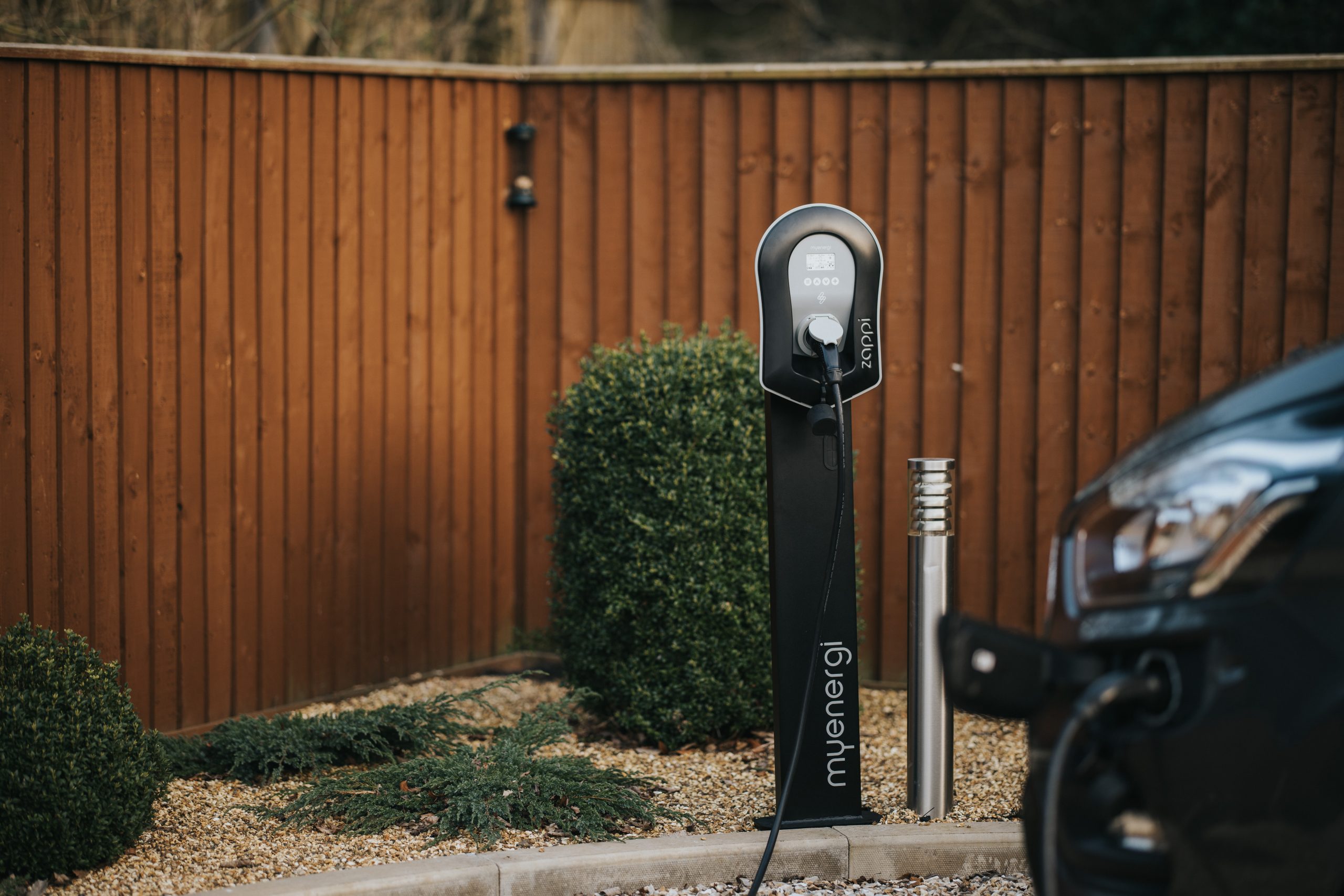
About 80% of EV charging in Australia happens at home, and it’s by far the cheapest place to do it. In 2026, charging at home costs roughly $5–6 per 100 km on a standard tariff, under $1 per 100 km on an overnight EV plan, and as little as ~50c per 100 km on your own solar — versus about $16 per 100 km for petrol.
The trick isn’t just charging at home — it’s charging at the right time and from the right source. A smart charger like zappi GLO does that automatically, charging from surplus solar or your cheapest tariff window without you lifting a finger.
How Home EV Charging Works
Home charging uses an AC wall charger (often called Level 2) wired into your switchboard by a licensed electrician. You plug in when you get home — or whenever the car’s parked — and it tops up over a few hours. Unlike a public DC fast charger, home charging is slower, gentler on the battery, and dramatically cheaper.
How much range you add per hour depends on the charger’s output and whether your home is single- or three-phase. A typical 7 kW single-phase charger adds roughly 40 km of range per hour — more than enough to fully refill most cars overnight.
The important part for your wallet isn’t the hardware speed, though — it’s when the car draws power and where that power comes from. That’s what the rest of this guide covers.
Check our productsHow Much Does It Cost to Charge an EV at Home in Australia in 2026?
Your cost comes down to two numbers: how much energy your car uses, and what you pay per kilowatt-hour (kWh). Most EVs use 15–20 kWh per 100 km (we’ll use 18). What you pay per kWh is where the cost swings wildly — from around 35c on a standard plan down to 0c in a free solar window.
| How you charge (2026) | Typical rate | Cost / 100 km | Full charge (~60 kWh) |
|---|---|---|---|
| Standard flat tariff | ~30–35c/kWh | ~$5.40–6.30 | ~$18–21 |
| Overnight EV plan (12am–6am) | 4.5–8c/kWh | ~$0.80–1.45 | ~$3–5 |
| Free solar window (e.g. 11am–3pm) | ~0c/kWh | ~$0 | ~$0 |
| Your own rooftop solar | ~3c/kWh* | ~$0.54 | ~$1.80 |
| Petrol car (8 L/100 km @ $2/L) | — | ~$16.00 | — |
*Solar isn’t truly free — the “cost” is the feed-in tariff you give up by using the energy instead of exporting it, now only a few cents per kWh in most states. It’s still the cheapest way to drive.
What a year of charging costs
The average Australian drives about 13,000 km a year. Charged on a standard tariff that’s roughly $700–820/year; on an overnight EV plan, about $105–190/year; mostly on solar, $70/year or less. The petrol equivalent is around $2,080/year. Charged smartly, an EV can cost under a tenth of petrol.
The figures above are indicative for 2026 and vary by retailer, state, plan and vehicle. Electricity rates and tariff windows change — treat these as a planning guide, not a fixed price, and check your own tariff.
Cost ranges were compiled from:
When Is the Cheapest Time to Charge in 2026?
If you’re on a time-of-use or dedicated EV plan, electricity has a timetable — and charging at the wrong time can cost three to eight times more than it needs to. There are three windows:
- Peak — late afternoon to evening (~3–9pm). The most expensive time, often 35c/kWh or more. The worst time to charge.
- Off-peak — overnight, roughly 12am–6am. The cheapest grid window and the sweet spot for most drivers.
- Solar / shoulder — the middle of the day, when some 2026 plans now include a free midday block.
| 2026 plan type | Rate | Window |
|---|---|---|
| Cheapest EV overnight plans | 4.5–6c/kWh | 12am–6am |
| Typical EV / night-saver plans | 8c/kWh | 12am–6am |
| Free midday “solar” window | 0c/kWh | ~11am–3pm (plan-dependent) |
| Peak (for comparison) | ~35c/kWh+ | afternoon–evening |
From July 2026, under the Solar Sharer reform, retailers in NSW, south-east QLD and SA must offer a plan with a free three-hour midday window (minimum 24 kWh/day). If your car can charge then, those kilometres are effectively free.
The catch: these cheap windows only help if your car actually charges during them. Plug a basic charger in at 6pm and it charges straight through the most expensive hours of the day. This is exactly what a smart charger solves — see below.
Solar EV Charging: Run Your Car on Sunshine
If you have rooftop solar, your EV is the perfect place to put the surplus you’d otherwise export for a few cents. A solar-aware charger watches your home’s live energy flow and diverts spare solar into the car instead of the grid — driving on roughly 3c/kWh power. This is what myenergi’s chargers are known for: zappi pioneered solar EV charging in Australia, and zappi GLO brings the same solar smarts to single-phase homes.
Both are built for this, with charging modes that let you charge only from surplus solar, blend solar with a cheap grid top-up, or charge at full speed when you’re in a hurry. If you’re usually out during the day, pairing a zappi or zappi GLO with a home battery (libbi 2) stores midday solar so you can charge the car from sunshine in the evening.
Check our productsHome vs Public Charging: the Cost Gap
Home is cheaper — usually far cheaper. Here’s how the options compare per 100 km in 2026:
Home (smart / solar)
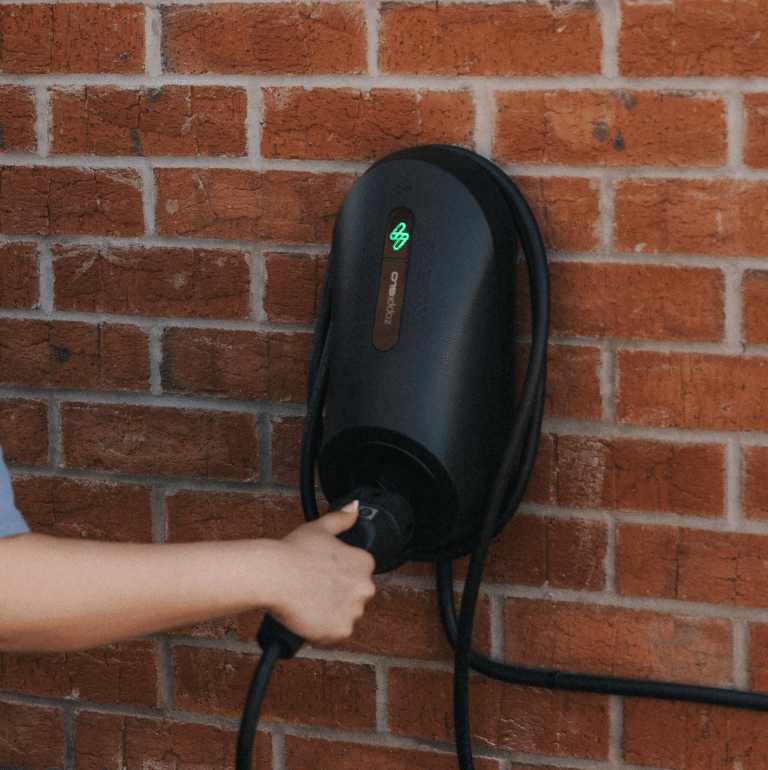
~$0.50–1.45 per 100 km on solar or an overnight plan. The cheapest way to charge, and where ~80% of charging happens.
Home (smart / solar)
~$5.40–6.30 per 100 km. Still well under petrol, but you’re leaving savings on the table without smart charging.
Check our products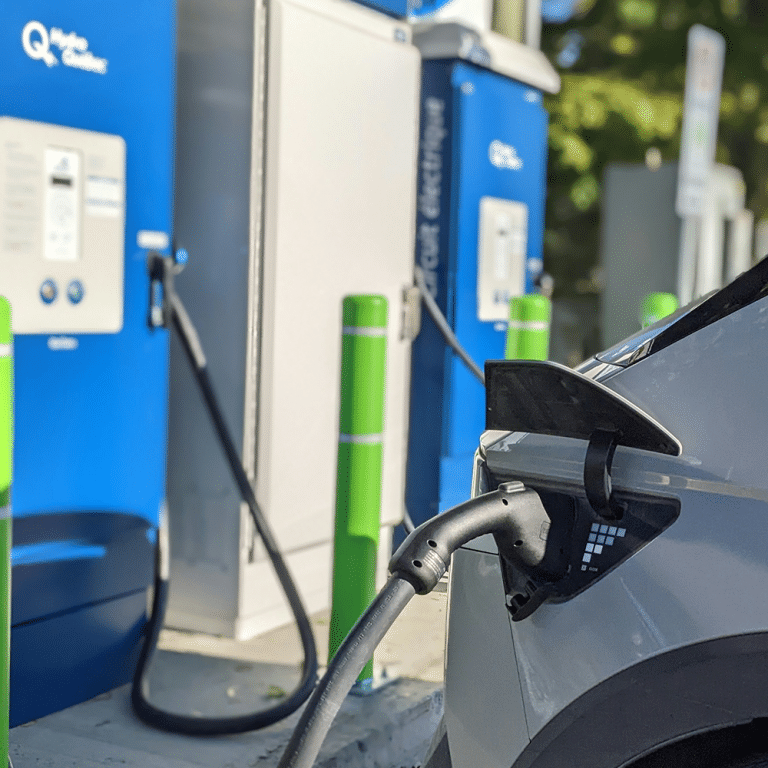
Public AC (Level 2)
~$4.50–8.10 per 100 km. Handy when you’re out, but pricier than charging at home.
Public DC fast
~$7.20–13.50 per 100 km. Fast and convenient for road trips — the most expensive way to charge day to day.
Charge Smarter
A basic (“dumb”) charger just switches on and pulls a fixed amount of power from wherever it can get it — usually the grid, at whatever rate applies. It can’t tell your free solar from expensive peak-time power, and it can’t wait for off-peak.
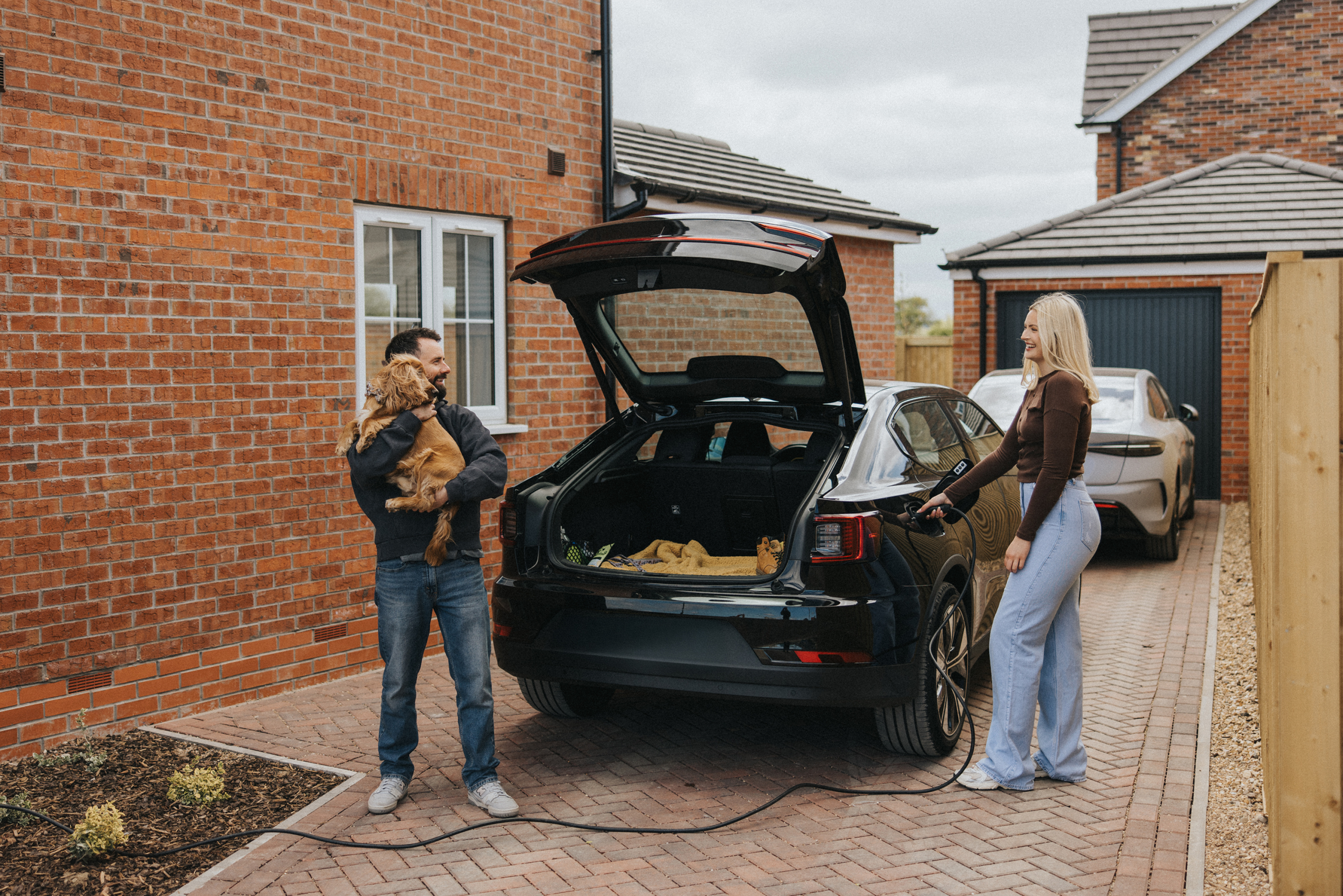
A smart charger makes those decisions for you. It dynamically balances the car’s charge against the rest of your home so it won’t overload your supply, charges from surplus solar when it’s available, and schedules charging into your cheapest tariff window. You plug in whenever you get home and it does the rest.
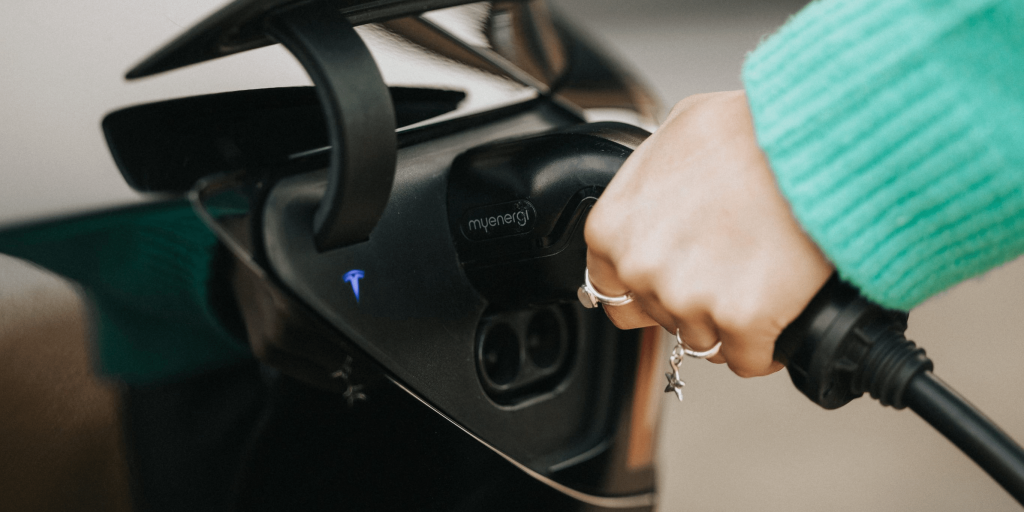
What zappi(s) do automatically
Set it once and zappi or zappi GLO charge your EV from your surplus solar or your cheapest overnight window — turning ~$6-per-100km grid charging into well under $1. It’s controlled from the myenergi app, works with a home battery, hot-water diverter (eddi) and energy sensor (harvi), and is installed by a certified myenergi Product Champion who calibrates it for accurate solar tracking. zappi GLO is built for single-phase homes and price-conscious buyers; the screen-equipped zappi suits larger or three-phase households.
Check our productszappi and zappi GLO: Smart EV Chargers Built for Australian Solar Homes
zappi is myenergi’s original smart EV charger — a solar-aware charger with an on-unit screen that suits single- or three-phase homes. zappi GLO is the newer, more affordable model built for single-phase homes and run entirely from the myenergi app. Both are genuine smart EV chargers: they charge from your solar, schedule to your cheapest tariff, balance against your home’s demand, and work as part of the myenergi ecosystem (libbi 2, eddi, harvi).
If you’re comparing a zappi charger or zappi GLO against a standard home EV charger, the difference is what you pay to charge: a basic charger can’t use your solar or wait for off-peak, so it charges at whatever rate applies — while a zappi or zappi GLO targets the cheapest energy automatically. Over a year that’s the difference between roughly $700 and under $100 to “fuel” the average car.
Check our productsTips to Charge for Less
Frequently Asked Questions
Roughly $5–6 per 100 km on a standard tariff, under $1 per 100 km on an overnight EV plan, and about 50c per 100 km on your own solar. A full charge of a ~60 kWh battery costs about $18–21 on a standard plan, or $3–5 off-peak.
Your own surplus solar is cheapest (around 3c/kWh, or free in a Solar Sharer midday window). If you can’t charge on solar, the overnight off-peak window — typically 12am–6am at 4.5–8c/kWh on an EV plan — is next cheapest. The afternoon/evening peak is the most expensive.
Home is cheaper — usually far cheaper. Public AC chargers run about $4.50–8.10 per 100 km and DC fast chargers $7.20–13.50, versus roughly $1–6 at home depending on your tariff.
A time-of-use or EV plan unlocks low overnight rates and, in some states from July 2026, a free midday window. A smart charger like zappi GLO is what lets you actually use those windows automatically — a basic charger charges at whatever rate applies when you plug in.
No. Slow overnight AC charging is gentle on an EV battery — generally better for long-term health than frequent DC fast charging.
zappi is myenergi’s smart EV charger. Yes — it’s solar-aware, so it can divert your surplus rooftop solar straight into your car instead of exporting it, or charge from the grid in your cheapest tariff window. zappi GLO offers the same solar EV charging for single-phase homes at a lower price point.
Charge at the Cheapest Rate, Automatically
zappi GLO charges your EV from your solar or your cheapest tariff window — so you pay the low rate without lifting a finger. Find a certified installer and see what it could save you.
Check our products