
 zappi
 zappi GLO
 eddi
 libbi 2
 app
 harvi
 extras
zappi GLO vs zappi vs a standard EV charger: what’s the difference?
A standard charger just delivers power to your car. myenergi’s smart chargers — zappi and zappi GLO — decide when and from where to charge, using your surplus solar and cheapest tariff window automatically, and plug into a wider home energy system. Both beat a basic charger on running cost; which myenergi model suits you comes down to the differences below.
If you’re choosing a home charger in 2026, the real decision isn’t the brand on the box — it’s whether you want a device that simply charges, or one that charges intelligently. Here’s an honest comparison.
Side by side
| Standard (dumb) charger | zappi | zappi GLO | |
|---|---|---|---|
| Charges your EV | Yes | Yes | Yes |
| Dynamic load balancing | No — fixed draw | Yes | Yes |
| Solar surplus charging | No | Yes | Yes |
| Off-peak scheduling | Basic timer at best | Yes | Yes |
| App control & monitoring | Varies | Yes — myenergi app | Yes — myenergi app |
| On-unit screen | — | Yes | No — app-controlled |
| Phase support | Varies | Single or three-phase | Single-phase |
| Ecosystem integration | No | Yes | Yes |
| Running cost / 100 km | ~$5–6 (peak grid) | ~$0.50–1 | ~$0.50–1 |
| Best for | No solar, flat tariff | Three-phase homes | Single-phase homes |
What a “dumb” charger can’t do
A standard charger is exactly that — it switches on and pulls a fixed amount of power no matter what else is running in your home. Put the oven, aircon and car on together and it can trip your main breaker or push you past your supply limit. It can’t use your solar, can’t wait for off-peak, and can’t respond to what the rest of the house is doing.
A smart charger dynamically load-balances: it constantly reads your home’s total demand and ramps the car’s charge up or down to fit whatever capacity is spare — charging as fast as safely possible without overloading anything, and drawing only from the cheapest energy available. That’s the core benefit of zappi and zappi GLO, before you even add up the solar and off-peak savings.
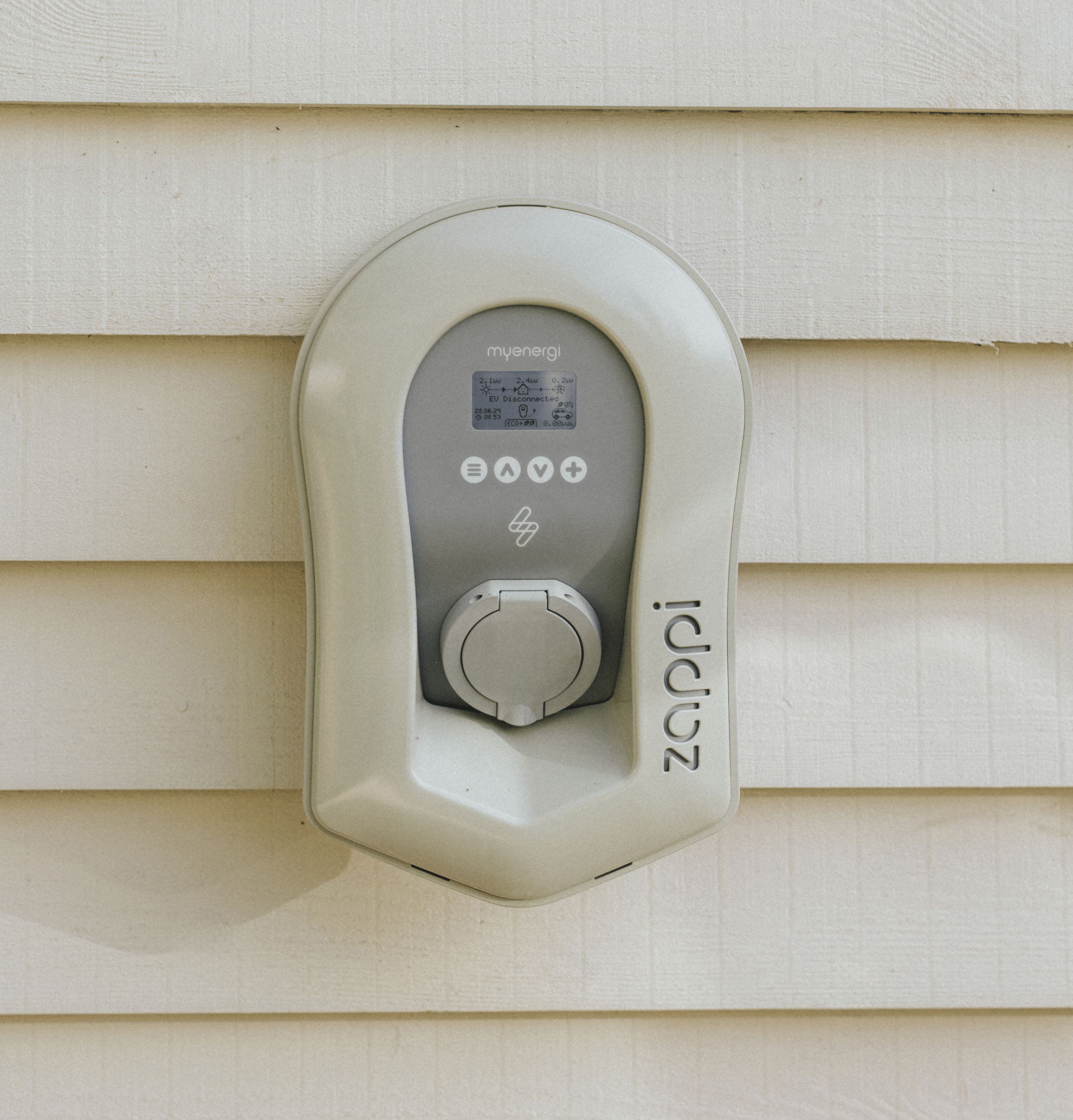
zappi multiphase
zappi has an on-unit screen and supports single- or three-phase homes. The pick for larger or three-phase households, and anyone who wants status and controls on the wall, not just in the app.
Find out more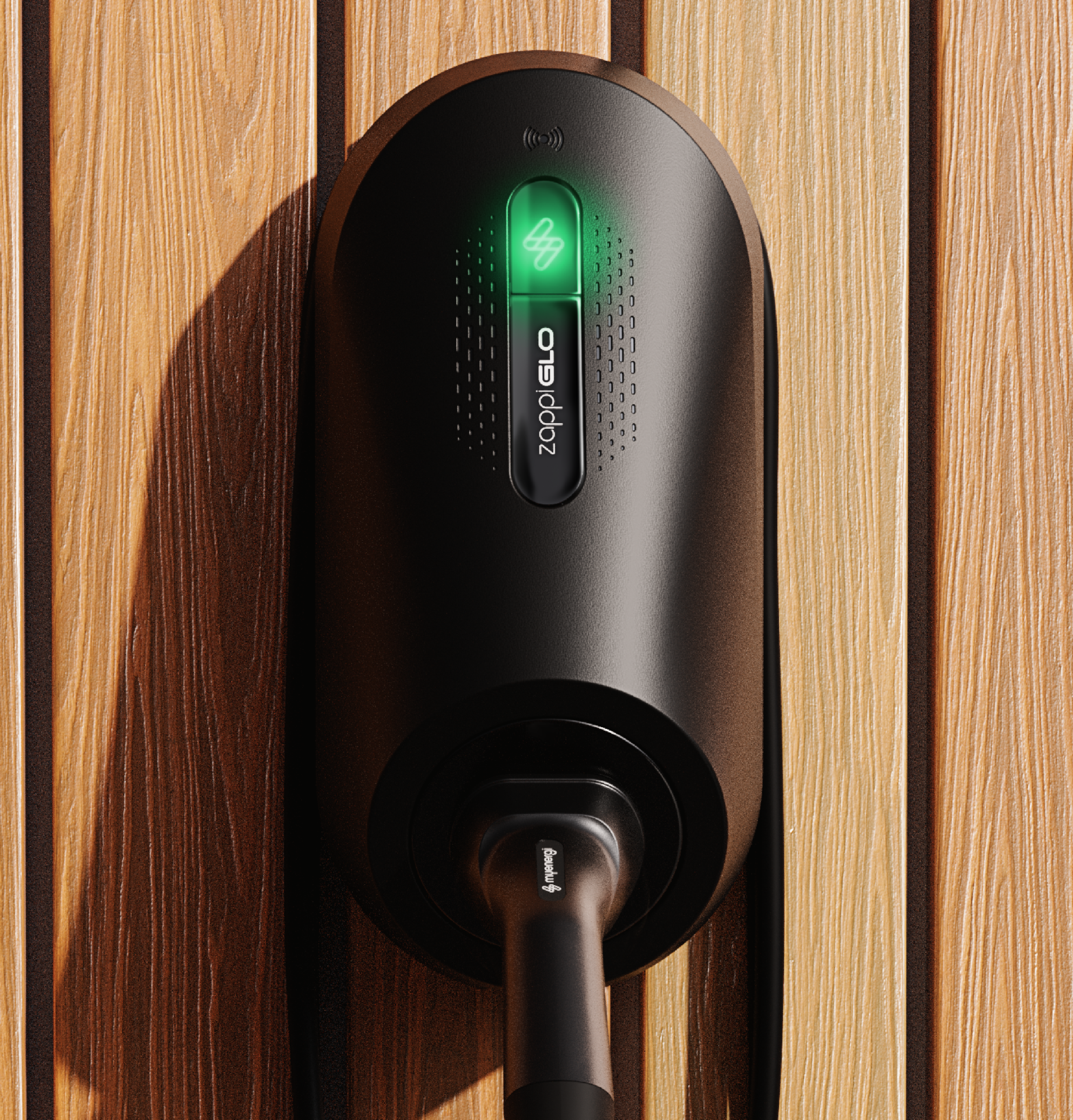
zappi GLO single phase
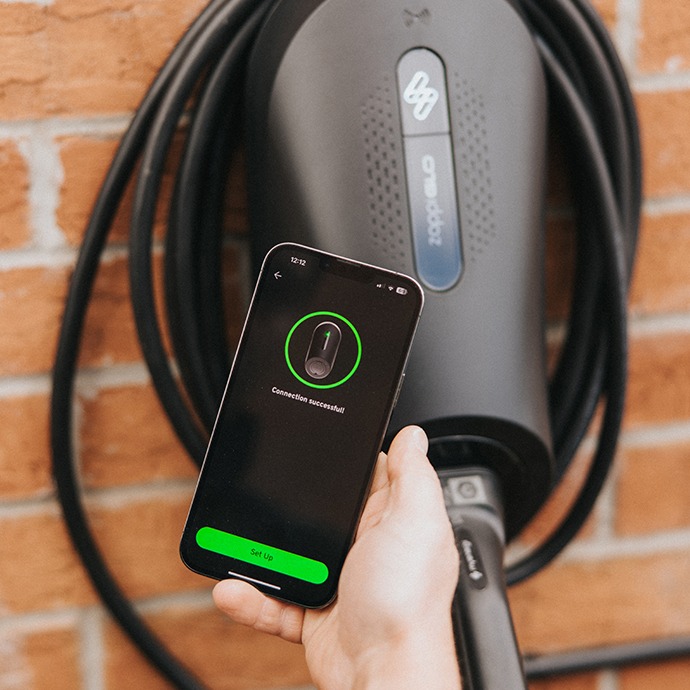
GLO streamlined and more affordable, built for single-phase homes and run entirely from the myenergi app. The pick for price-conscious buyers who don’t need a screen on the unit.
Find out moreBoth zappi and zappi GLO are smart chargers — they share the dynamic load balancing, solar-surplus charging, off-peak scheduling, app control and ecosystem features in the table above. The choice between them comes down to your home and your budget.
Rule of thumb: three-phase home, or want a screen on the unit? Choose zappi. Single-phase home and watching the budget? zappi GLO gives you the same smart charging for less. A myenergi approved installer will confirm which fits your switchboard.
All EV chargers get your car to 100%. The difference is what you pay to get there. A standard charger plugged in after work charges at peak rates — around $6 per 100 km. A smart charger — zappi or zappi GLO — set to solar or an overnight window does the same drive for well under $1. Over a year of average driving that’s roughly $700+ versus under $100.
That gap is the whole case: the smarter charger isn’t a luxury, it’s what captures the cheap energy a standard charger leaves on the table.
When a standard charger is fine
We’ll be straight: if you have no solar, a flat tariff with no off-peak, and no plans for a battery, a basic charger will do the job and cost less up front. The smart features save money specifically when there’s cheap energy to capture — solar surplus or a time-of-use rate. Most Australian homes have at least one of those, which is why smart charging usually wins here. Even then, a smart charger adds dynamic load balancing and app control a dumb charger can’t — useful on any home.

The part a spec sheet misses: the ecosystem
A standard charger is a dead end — it charges a car and nothing more. zappi GLO or zappi multiphase is a starting point. Add a home battery (libbi 2) and it charges your car from stored solar at night; add eddi and your surplus also heats your water; harvi ties it together wirelessly. One app, one system, priorities you set. You’re not just buying a charger — you’re buying the first node of a home energy system.
How to choose
- Have solar? A solar-aware charger pays back fastest — don’t export cheap solar, then buy back expensive grid power.
- On a time-of-use or EV plan? Scheduling alone can cut charging costs 5–8×.
- Thinking about a battery later? Choose a charger that already speaks to one.
- No solar, flat rate, no plans to change? A basic charger is a reasonable call. But a smart EV charger will help the most to maintain your home.
Frequently asked questions
Both are smart myenergi chargers with the same dynamic load balancing, solar charging, off-peak scheduling, app control and ecosystem support. zappi has an on-unit screen and suits single- or three-phase homes; zappi GLO is more affordable, single-phase, and controlled from the app. Choose zappi for three-phase or a screen, zappi GLO to save on a single-phase home.
A dumb charger just pushes a fixed amount of power whenever it’s on. A smart charger reads your home’s live demand and your solar, balances the car’s charge against everything else so it won’t overload your supply, and times charging to the cheapest energy — the difference between about $6 and under $1 per 100 km.
Yes, if you’re on a time-of-use or EV tariff — the off-peak scheduling and app control still cut costs a basic charger can’t.
Yes — zappi GLO is built to work with libbi 2 and the rest of the myenergi ecosystem, so you can start with the charger and expand.
No. In fast mode it charges at full speed; the smart modes are a choice you make to save money and protect your house, not a limit.
You can get a free quote from myenergi’s product champions that they are approved installers with specialist training.
Find a Product Champion for reliable installation of your new libbi 2, zappi, zappi GLO or eddi.
Get a quote